Home | Veterans | Maurice Sheldrake
Maurice-CU

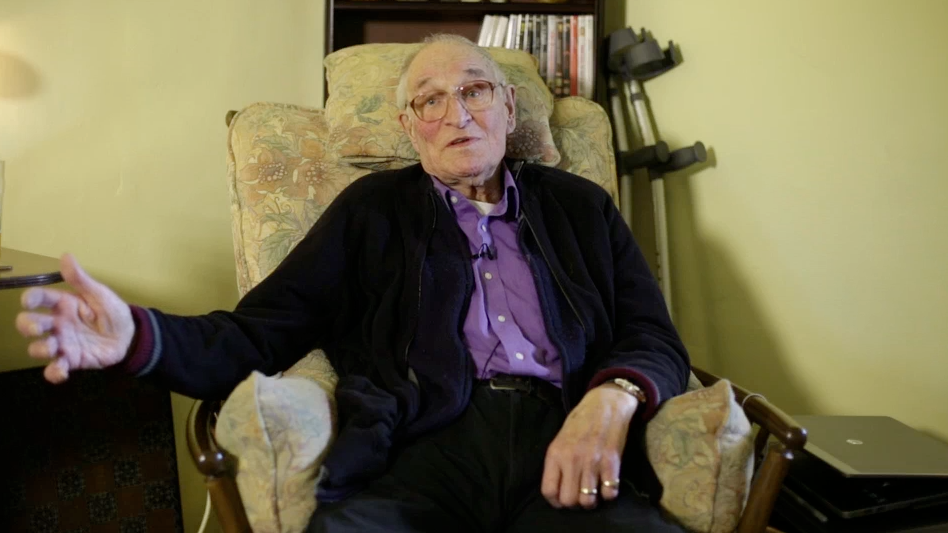
A veteran interview with

Maurice Sheldrake

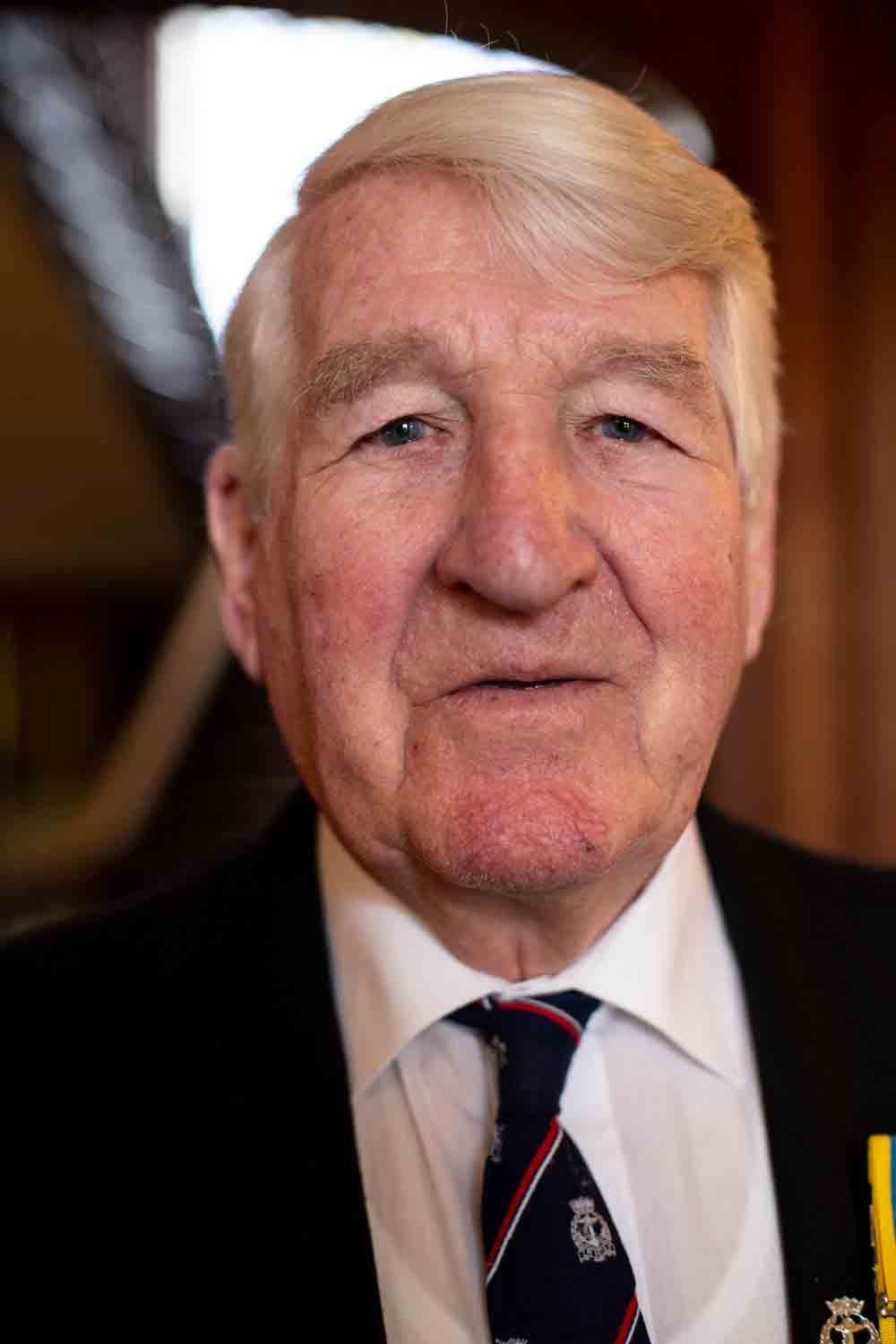
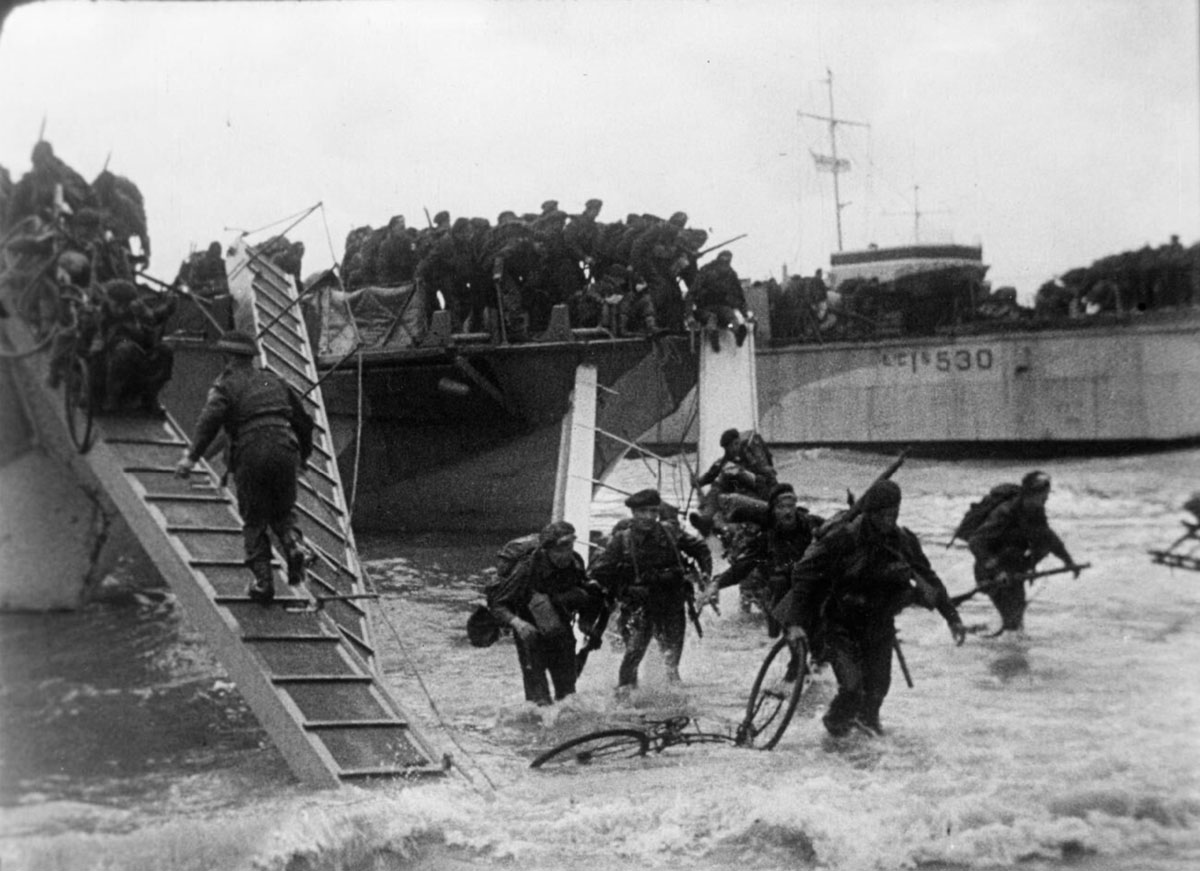
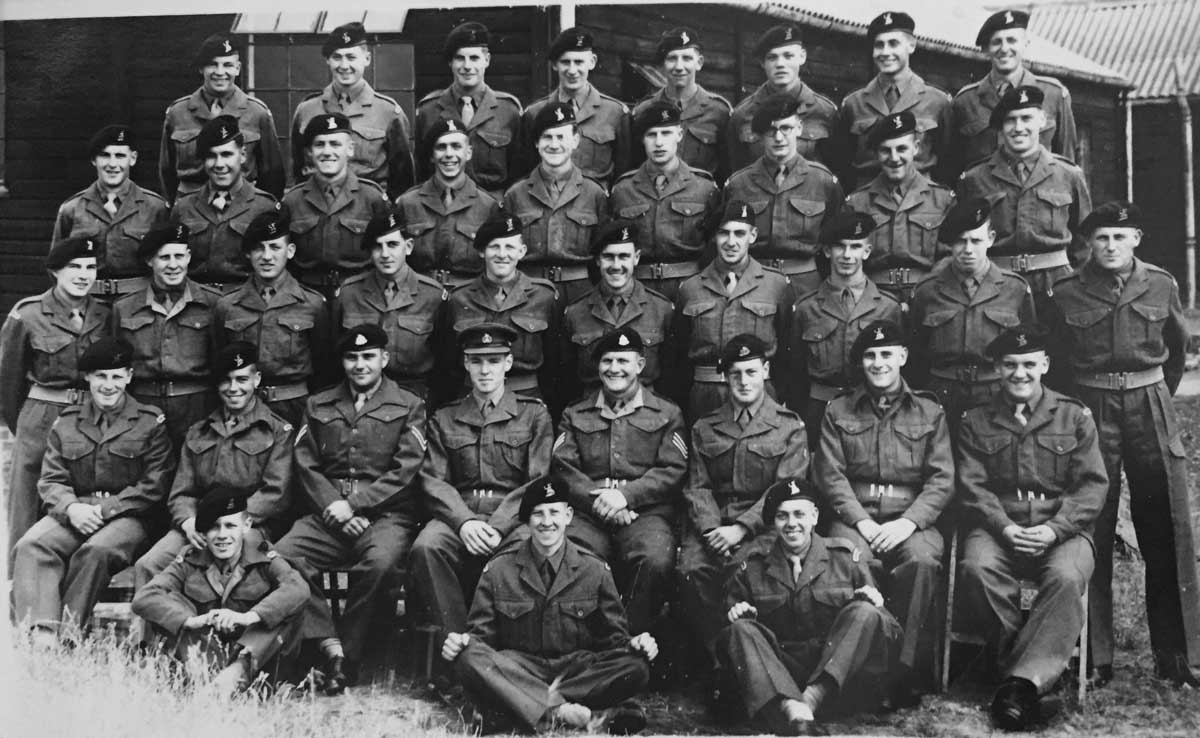
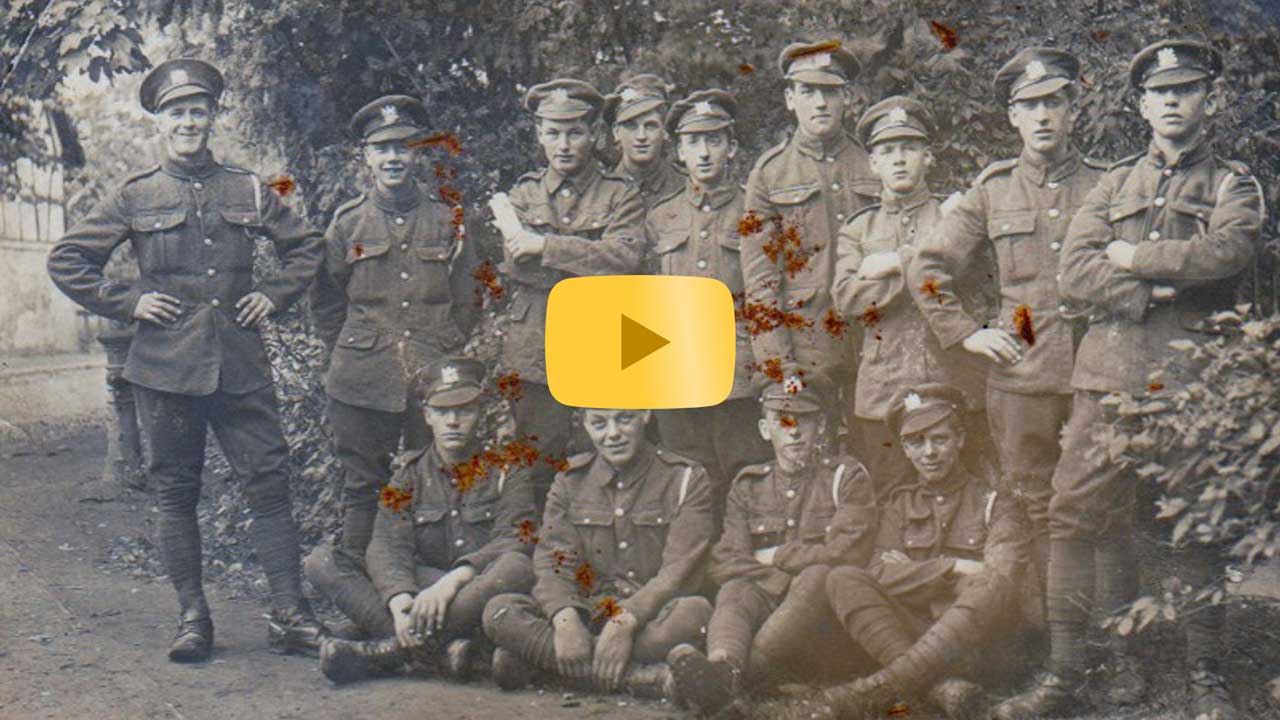
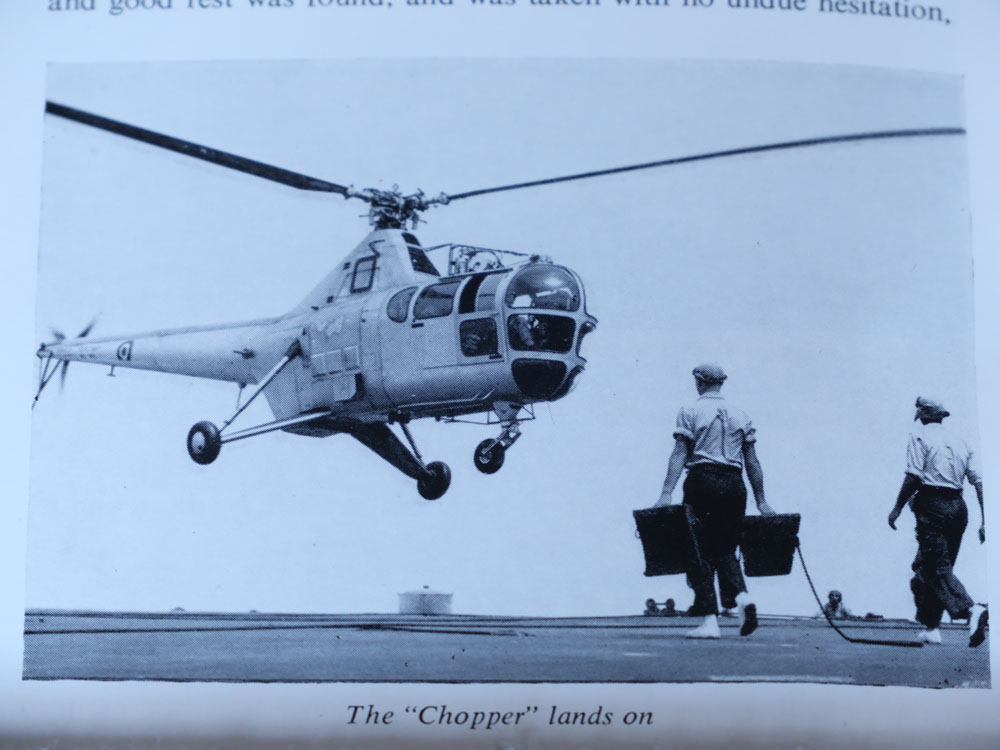
Maurice has some nice pics.
Play video
Watch the interview

About Maurice Sheldrake

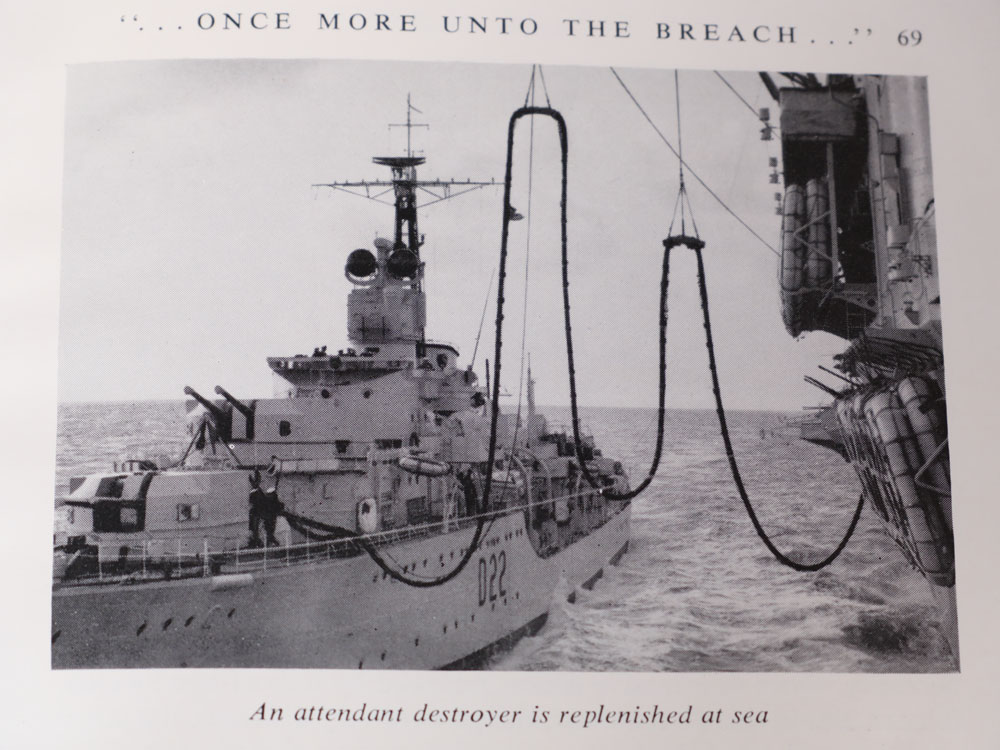
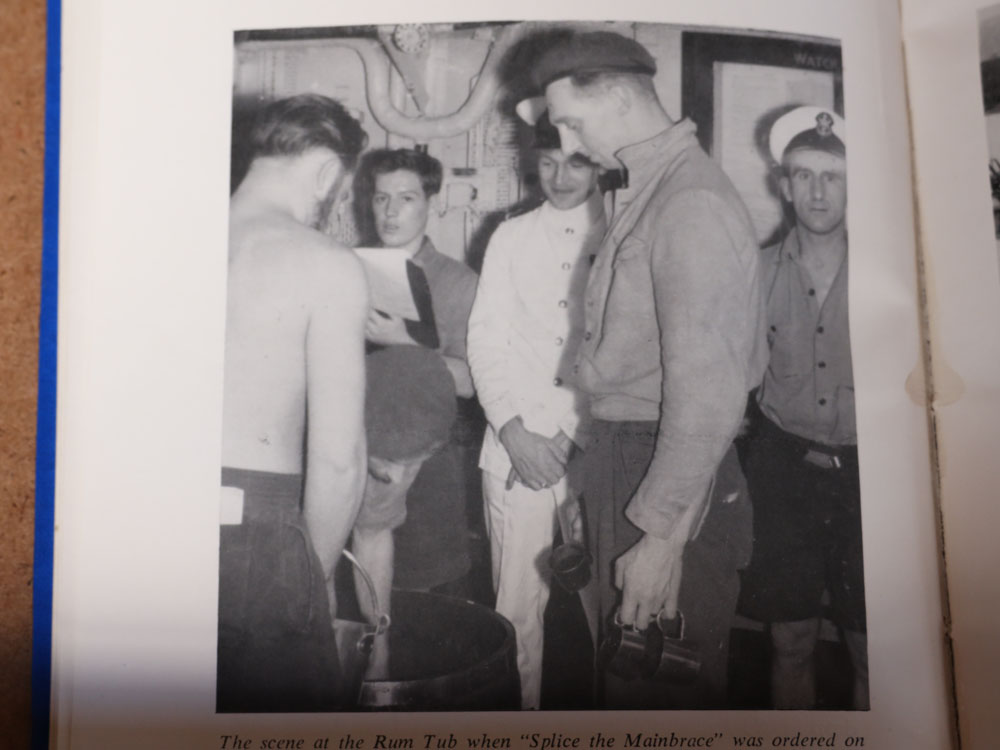
Maurice joined the Navy in 1946 and trained as an air mechanic. He was assigned to HMS Ocean, an aircraft carrier, in 1951. In 1952 they sailed to the Middle East to reinforce the British presence in Egypt after the fall of King Farouk. He and several other crewmen spent time at an RAF airfield in the desert during the unrest when some British troops were attacked.

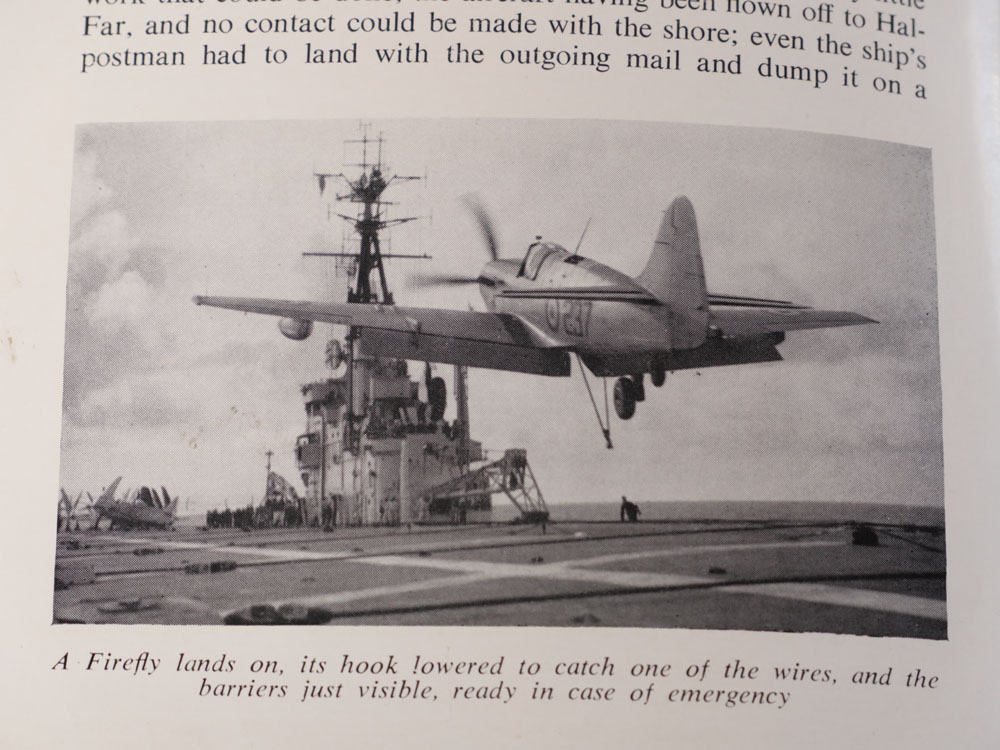
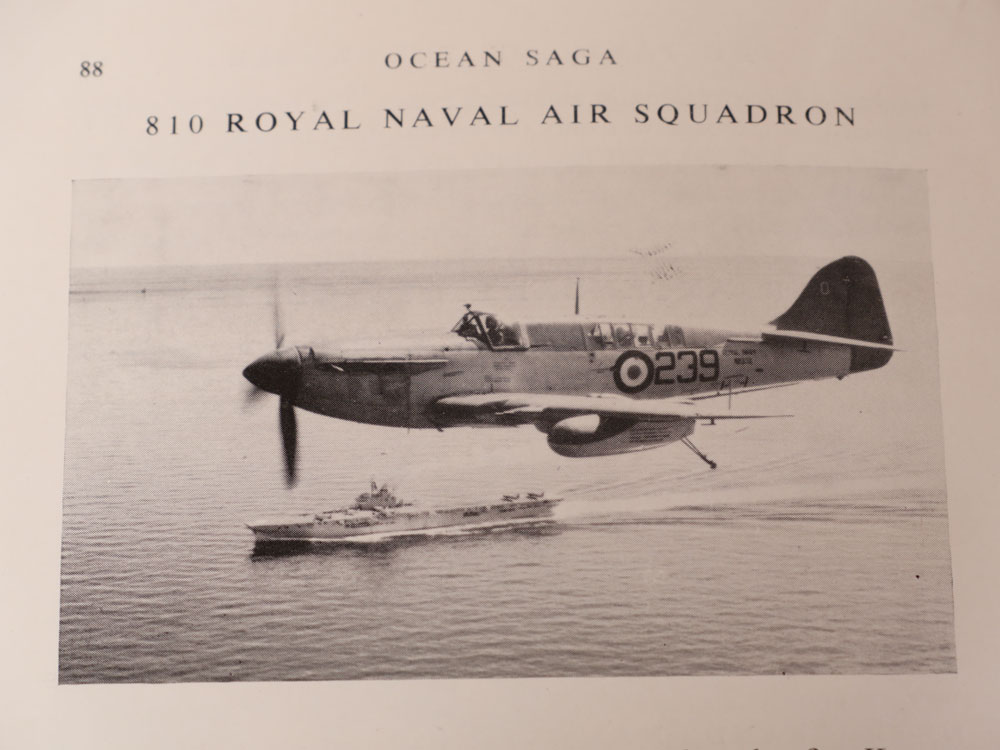
After this they sailed to Malta to complete pilot training and then proceeded to Korea to join the British forces fighting in the Korean War, arriving in early 1953. The ship was equipped with the Hawker Sea Fury and the Fairey Firefly. They were stationed off the east coast of Korea, out of range of enemy mine laying boats. From here the aircraft would support Allied ground troops, the Furies sometimes escorting the Fireflies as these carried heavier bombs to attack targets like bridges. Their ship travelled to Japanese ports such as Sasebo or Kure to refuel and rearm and during these times he was able to take shore leave. During operations the aircraft were in constant use during the day and at night Maurice and his comrades worked on the aircraft, preparing them for operation the next day.

After the armistice he returned on the troopship HMT Dunera, which was also carrying POWs who had been held by North Korea. Many were traumatised and some had been tortured by their captors. At least two of them committed suicide on the trip home.

Credits

Interviewed by:
Martin Bisiker
Reviewed by:
David Mishan

Transcripts:
Please note that transcripts and closed captions in the video player are automatically generated by Vimeo.

Copyright:
All video content, web site design, graphics, images (including submitted content), text, the selection and arrangement thereof, underlying source code, software and all other material on this Web site are the copyright of Legasee Educational Trust, and its affiliates, or their content and technology providers. ALL RIGHTS RESERVED. Any use of materials on this Web site – including reproduction for purposes other than those noted above, modification, distribution, or republication – without the prior written permission of Legasee Educational Trust is strictly prohibited.

Home | Veterans | Maurice Sheldrake

A veteran interview with

Maurice Sheldrake

Maurice-CU

Maurice has some nice pics.
Related topics & talking points

Veteran gallery

Photos & memories

Keep on watching

More veteran stories...

Share this interview on:

https://www.legasee.org.uk/veteran/maurice-sheldrake/

Cite this interview:

MLA Style:
Sheldrake, Maurice. A Veteran Interview with Maurice Sheldrake. Interview by Martin Bisiker. Legasee, n.d. https://www.legasee.org.uk/veteran/maurice-sheldrake/. Accessed 15 Nov. 2025.
APA Style:
Sheldrake, M. (n.d.). A Veteran Interview with Maurice Sheldrake [Interview by Martin Bisiker]. Legasee. Retrieved November 15, 2025, from https://www.legasee.org.uk/veteran/maurice-sheldrake/
Chicago Style:
Sheldrake, Maurice. n.d.. A Veteran Interview with Maurice Sheldrake. Interview by Martin Bisiker. Legasee. Accessed November 15, 2025. https://www.legasee.org.uk/veteran/maurice-sheldrake/
Harvard Style:
Sheldrake, M. (n.d.). A Veteran Interview with Maurice Sheldrake. [Interviewed by Martin Bisiker]. Legasee. Available at https://www.legasee.org.uk/veteran/maurice-sheldrake/ (Accessed: 15 November 2025)
Vancouver Style:
Sheldrake, M. A Veteran Interview with Maurice Sheldrake [Internet]. Interview by M. Bisiker. Legasee; n.d. [cited 2025 Nov 15]. Available from: https://www.legasee.org.uk/veteran/maurice-sheldrake/
An interview with

Harriet Wright

Harriet Wright talks about her service as a Wren and being based in the Orkneys towards the end of the second world war.

Harriet Wight was living in the countryside in North East Scotland at the outbreak of war and recalls seeing an enemy aircraft drop a bomb over Aberdeen. It was then she decided ‘to do her bit’ and joined the Women’s Royal Naval Service (WRNS). After a medical in Dundee she did her initial basic training at Balloch on the edge of Loch Lomond and began her duties as a messenger. She was eventually posted to Ilfracombe in Devon as a signaller and was involved in taking and logging signals which at that time mainly related to noting casualties from the North African campaign in 1943. Harriet moved on to operating telephone switchboards after a period of training and was posted to Hatston on the Orkneys, close to the vital naval base of Scapa Flow. Harriet spoke of meeting her future husband, who was a sailor involved in Arctic and Atlantic convoys, and how she never concerned about the danger he was in until she found out that an American soldier pen-friend of hers had been killed in Belgium and then the reality of war hit home. Harriet concluded by saying how very proud she was of having been a Wren. 
Photo Gallery icon 15 Photos
Service:
Interviewed by:
Martin Bisiker
An interview with

Buster Brown

From evacuee to electrical engineer

Henry William “Buster” Brown grew up during the Second World War, evacuated as a child and training later as an apprentice electrical engineer. Determined not to end up in the mines, he went against his father’s wishes and volunteered for the Royal Navy. His skills as a wireman saw him posted to a specially adapted Landing Craft Flak — a flat-topped vessel bristling with anti-aircraft guns and manned by a close-knit crew of sailors and Royal Marines.

In his interview, Buster recalls training in Combined Operations, landing on Sword Beach on D-Day and almost immediately being placed in charge of 12 German prisoners. He describes patrolling the Gooseberry line off the Normandy coast under shellfire, cramped and damp life aboard LCF 39, and the loss of close friends. He recounts rescuing men from HMS Swift after she struck a mine, and the ferocious fighting of the Walcheren landings to open up Antwerp.

Buster’s story ends with his memories of VE Day and an unexpected posting to America — a vivid, humorous and heartfelt account of a remarkable naval career.

Service:
Interviewed by:
Martin Bisiker
An interview with

Dick West

Dick West and "the Shiny Shef"

"You could say I had a fortunate life really." Dick West recalls his time as an Engineering Artificer (ER2) during World War II in the Royal Navy, following in his fathers footsteps. Follow his journey from Chatham Tech (A.K.A Collingwood) through to his first posting in Portsmouth to Torpoint (Cornwall) all the way north to Scapa Flow. His time on the Destroyer called Oribi and the Sheffield “Shiny Sheff” (cruiser). Dick recalls life in the mess on a boat, the roles he had in supporting the Cruiser and places they visited and friends they made along the way, including Canadians. From Scottish ports, to Icelandic fronts (Akureyri, Hvalfjordur), to the Arctic Sea Battle of Scharnhorst alongside the Belfast and The Norfolk, fighting off German tanks in Italy. Dick recalls a lot of spent time in the Arctic Circle but also making stops in the Med and North Africa before finishing in Canada and the USA (picking up parts from General Electric).  
Photo Gallery icon 4 Photos
Service:
Interviewed by:
Martin Bisiker