Home | Veterans | Bert Crane
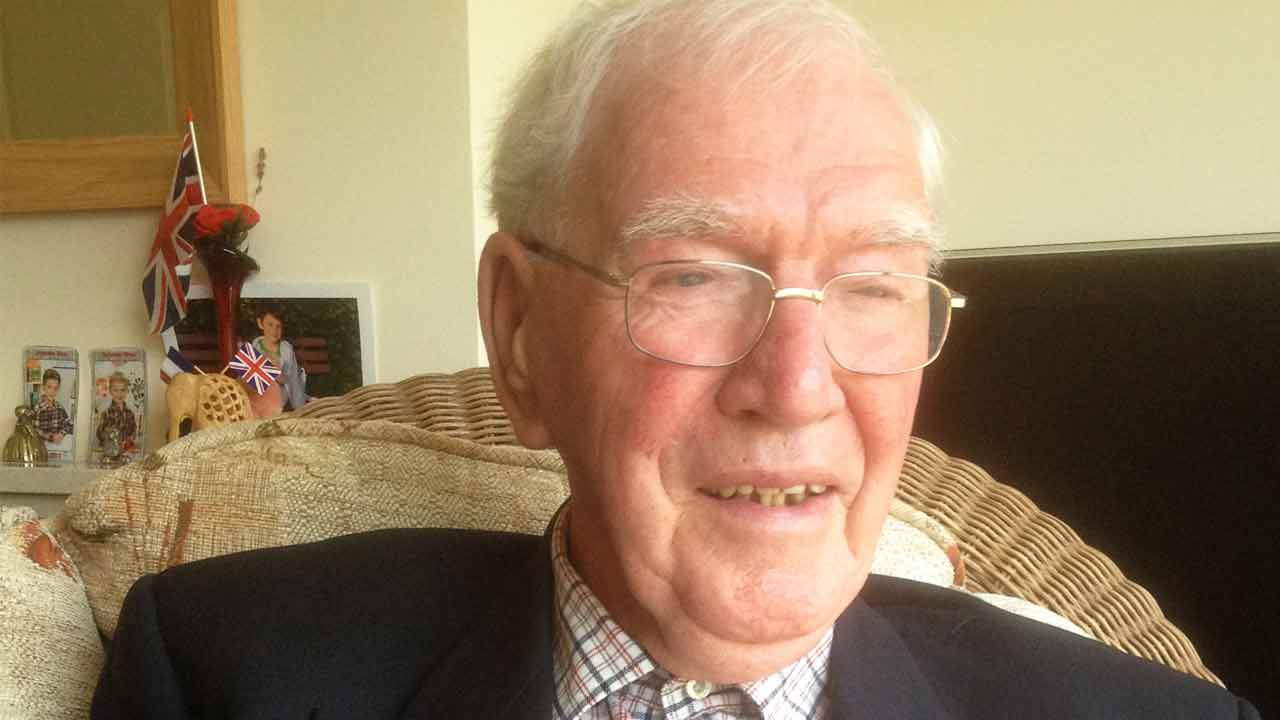
Bert Crane frame grab

A veteran interview with

Bert Crane

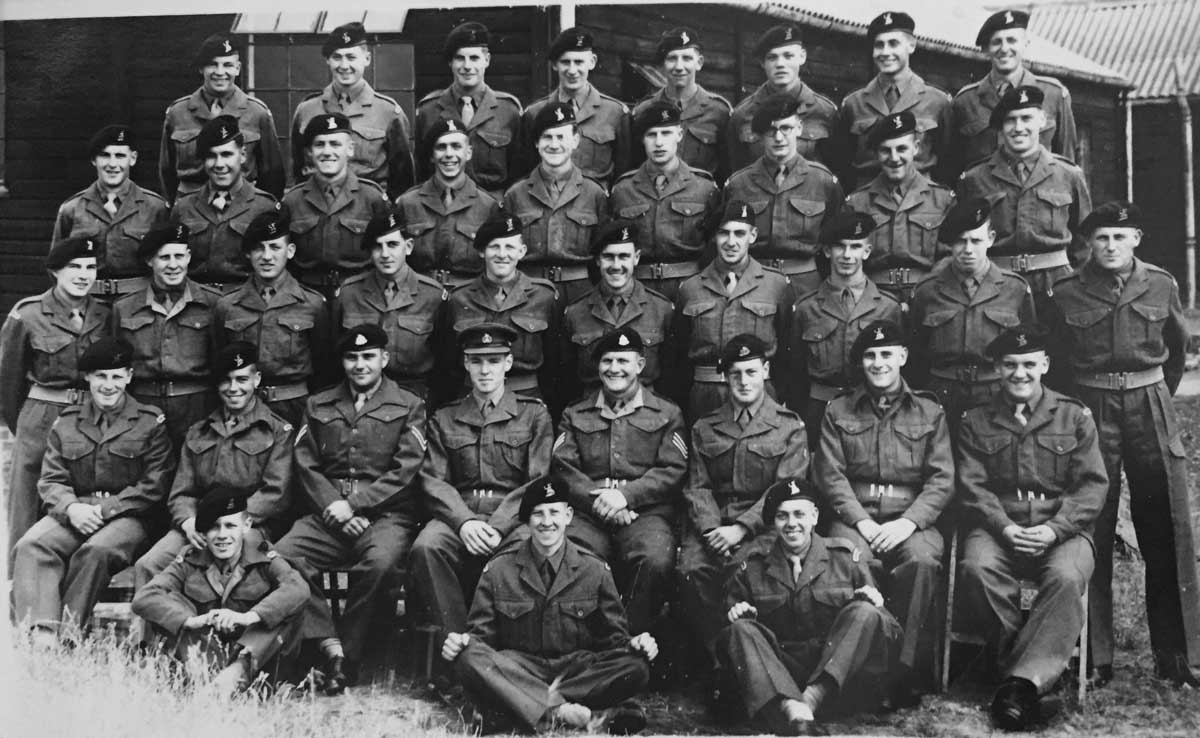
Bert Crane served with the The 43rd (Wessex) Reconnaissance Regiment (The Gloucestershire Regiment).
Play video
Watch the interview

About Bert Crane

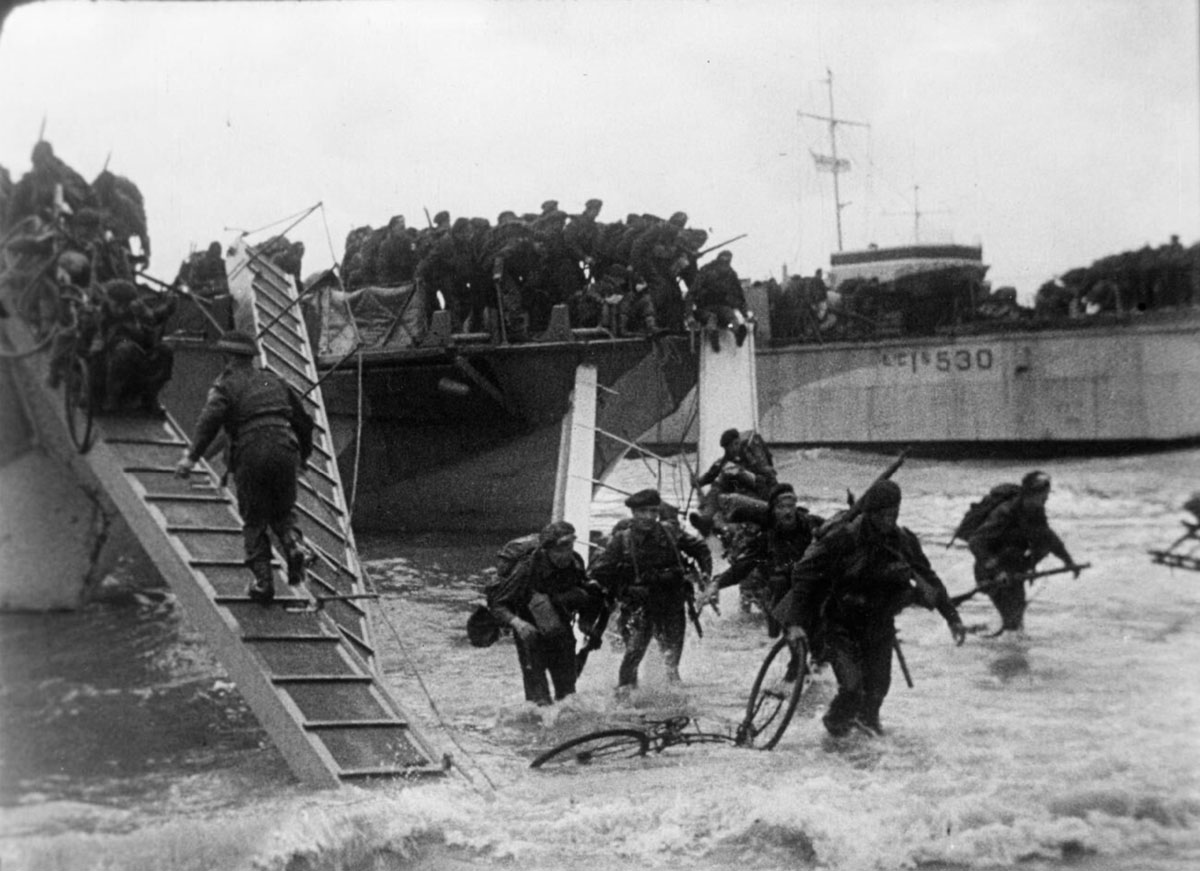
Bert Crane started work in a factory making military components at 14, but volunteered for the Reconnaissance Corps at 17 despite this being a reserved occupation. In 1944 he completed extensive and varied training for this specialist role, which he believes was comprehensive. In January 1945 he joined C Squadron 43rd (Wessex) Reconnaissance Regiment as a replacement gunner/operator in an armoured car, serving through to the end of hostilities.

In an excellent account that blends operational details with personal reflection, he notes that his first instruction on joining his unit was to forget everything he had learned, which was good advice because on his first night patrol he returned fire without waiting for orders; however, when he saw the dead body next day, it caused a moment of reflection. On another occasion they spent 5 hours carefully covering 5 miles of forest, fearing contact, only to find the terrain had already been taken. He recalls the impact of taking casualties in a tight-knit unit in the last days of the war, and how a final task was cancelled. He believes he was lucky because the Germans were retreating by the time he joined, though he remembers being afraid and the risks they took.

Credits

Interviewed by:
Brig. C Elderton
Reviewed by:
Andy Voase
Transcribed by:
Ellie Goodson

Transcripts:
Please note that transcripts and closed captions in the video player are automatically generated by Vimeo.

If you would like a version of the transcript that has been transcribed manually by Ellie Goodson, please complete this form or email info@legasee.org.uk.

Copyright:
All video content, web site design, graphics, images (including submitted content), text, the selection and arrangement thereof, underlying source code, software and all other material on this Web site are the copyright of Legasee Educational Trust, and its affiliates, or their content and technology providers. ALL RIGHTS RESERVED. Any use of materials on this Web site – including reproduction for purposes other than those noted above, modification, distribution, or republication – without the prior written permission of Legasee Educational Trust is strictly prohibited.

Home | Veterans | Bert Crane

A veteran interview with

Bert Crane

Bert Crane frame grab

Bert Crane served with the The 43rd (Wessex) Reconnaissance Regiment (The Gloucestershire Regiment).
Related topics & talking points

Keep on watching

More veteran stories...

Share this interview on:

https://www.legasee.org.uk/veteran/bert-crane/

Cite this interview:

MLA Style:
Crane, Bert. A Veteran Interview with Bert Crane. Interview by Brig. C Elderton. Legasee, 8 Mar. 2015 https://www.legasee.org.uk/veteran/bert-crane/. Accessed 23 Apr. 2026.
APA Style:
Crane, B. (2015, March 8). A Veteran Interview with Bert Crane [Interview by Brig. C Elderton]. Legasee. Retrieved April 23, 2026, from https://www.legasee.org.uk/veteran/bert-crane/
Chicago Style:
Crane, Bert. 2015. A Veteran Interview with Bert Crane. Interview by Brig. C Elderton. Legasee, March 8. Accessed April 23, 2026. https://www.legasee.org.uk/veteran/bert-crane/
Harvard Style:
Crane, B. (2015). A Veteran Interview with Bert Crane. [Interviewed by Brig. C Elderton]. Legasee, 8 March. Available at https://www.legasee.org.uk/veteran/bert-crane/ (Accessed: 23 April 2026)
Vancouver Style:
Crane, B. A Veteran Interview with Bert Crane [Internet]. Interview by B. Elderton. Legasee; 2015 Mar 8 [cited 2026 Apr 23]. Available from: https://www.legasee.org.uk/veteran/bert-crane/
An interview with

Peter Waddington

From the 38th Parallel to the Battle of the Hook

When Peter Waddington turned 18, his National Service call-up papers arrived and soon after he found himself training with the 1st King’s Liverpool Regiment. Like many young men sent to Korea, he admits he knew almost nothing about the country or the conflict before he landed there. His memories capture both the strangeness and the stark reality of service: from being greeted on arrival by a band playing the Saint Louis Blues March to the harsh daily grind of trench warfare along the 38th Parallel.

In his interview, Peter recalls moments of humour, the ever-present rats and lice, and the rare relief of rest and recuperation in Japan. But he also speaks candidly about loss — the friends killed in action, the fear of attack, and the brutal fighting at the Battle of the Hook. Out of all his close comrades, Peter was the only one to return home unscathed.

Back in post-war Britain, he reflects on the challenges of returning to austerity and his determination that Korea should never be the “Forgotten War.”

Photo Gallery icon 1 Photo
Service:
Portrait photo of veteran Lamin Maneh
An interview with

Lamin Maneh

A proud Guardsman in the Irish Guard, with a clear purpose: “to make people’s lives better.”

Lamin Maneh, originally from Gambia, served as a proud Guardsman in the Irish Guard. He chose to join the British Army with a clear purpose: “to make people’s lives better.” In 2006, Lamin moved to England and began the process of enlisting, officially joining the army in 2009. Reflecting on his journey, he shares memories of his childhood and life in Gambia and the significant transition he experienced as he adapted to life in the British military. Lamin was attracted to the public-facing role of the guards, with ‘thousands or millions of people coming to this country, the first place to see is where the guards are.’ Initially becoming a beefeater, he underwent intense drills and difficult training that forces you to push yourself to your limits to complete. His first deployment was in Afghanistan, and though, naturally, he was a little nervous, this was outweighed by his excitement to get to do the job he’d been training for. His first two weeks in Bastion were spent doing familiarisations and getting prepped ready to be deployed to the Forward Operating Base (FOB). These familiarisations consisted of doing patrols talking to local people and trying to help give them the security they need to go about their daily life. His previous training in Kenya helped him acclimatise to the extreme heat, and his shared religion with many local Afghans allowed him to build meaningful connections and earn their trust. On New Year's Eve 2010, after three months of deployment, Lamin suffered a serious injury due to an IED explosion. Waking up 14 days later in a hospital in Birmingham, Lamin reflects on his time spent recovering and regaining his strength at Hedley Court, as well as how his faith guided him through his time serving and in recovery. Although Lamin’s army career has come to a close, he remains passionate about helping people, searching for a job that continues to allow him to make a positive impact. We wish Lamin the very best of luck in his next adventure.
Service:
Interviewed by:
Martin Bisiker
An interview with

Peter Ford

Serving in the Royal Army Service Corps, Peter tells of his time in Korea as a driver and the difficult conditions they encountered.

Following completion of an apprenticeship, Peter signed on as a regular in the Army for three years in 1951, because it meant he could choose where he wanted to serve. After training, he served in the Royal Army Service Corps as a driver. He tells of a posting to HQ Southern Command and from there being sent to Korea. Like many others, he explains that he hadn’t heard of Korea before this. Embarking at Southampton on the Empire Fowey, he and his compatriots travelled first to Japan. He recounts the journey from Japan to Korea, travelling through Hiroshima and seeing the crater, following which he was parachuted into Seoul. He was posted to the 26th Field Ambulance Division and drove both ambulances and transport. He tells of the poor conditions of the roads and the impact of the weather on their work, including that their trucks would freeze during the winter if not looked after properly. At the end of the Korean War, Peter tells of his brief foray into athletics, running for the battalion. He was then posted to Hong Kong. He expresses frustration at the lack of attention given to the Korean war in comparison to other wars.
Service:
Interviewed by:
Martin Bisiker