Home | Veterans | D-Day school film
dday

A veteran interview with

D-Day school film

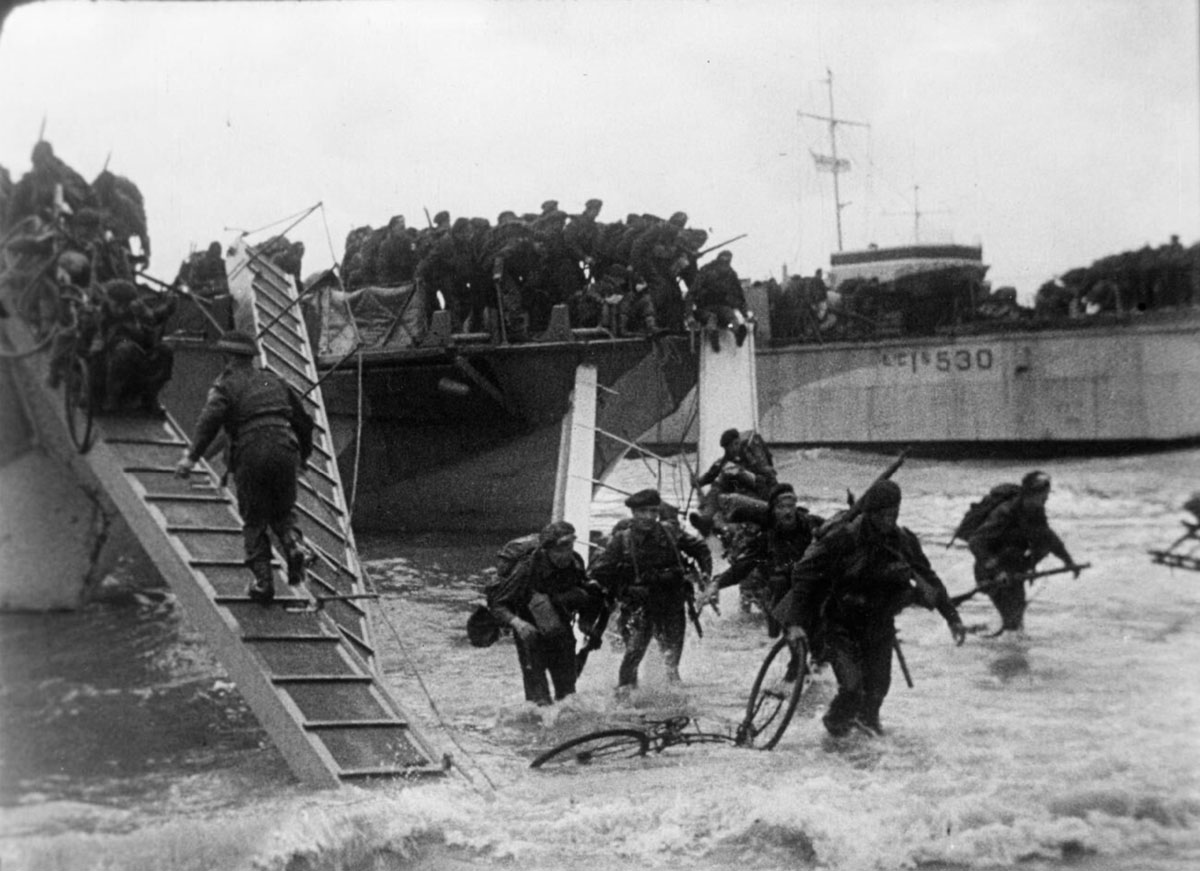
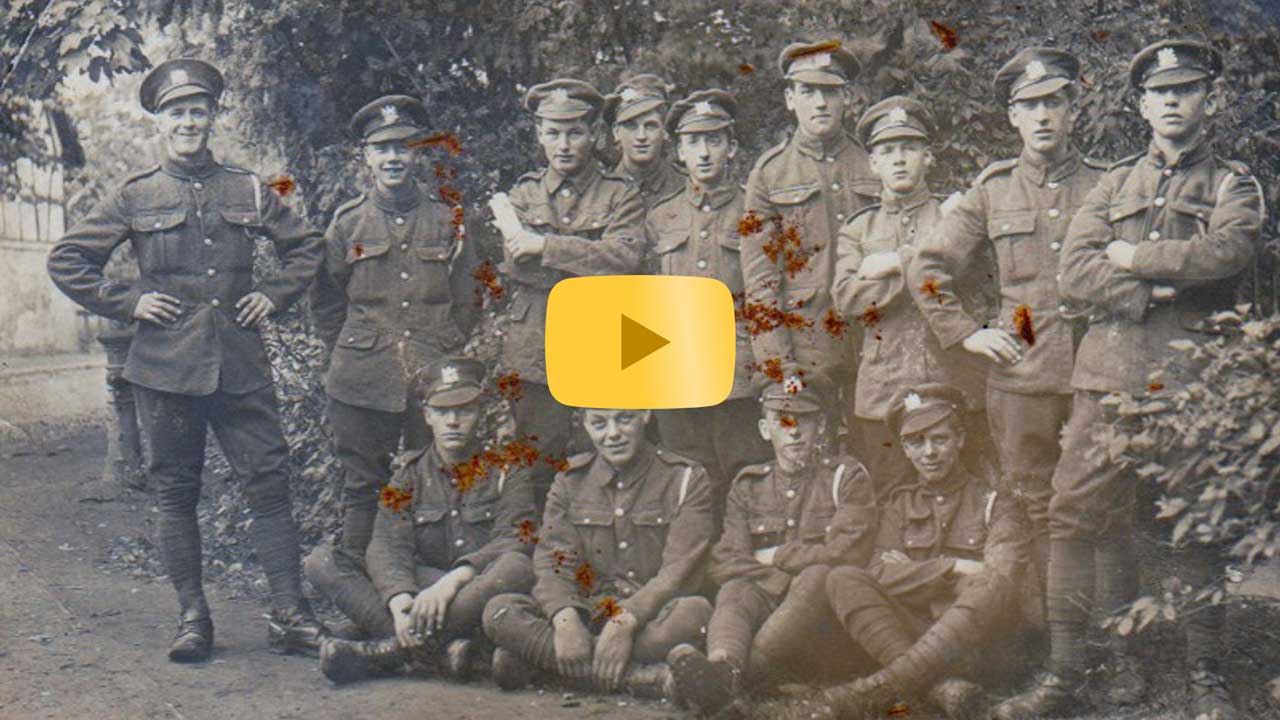
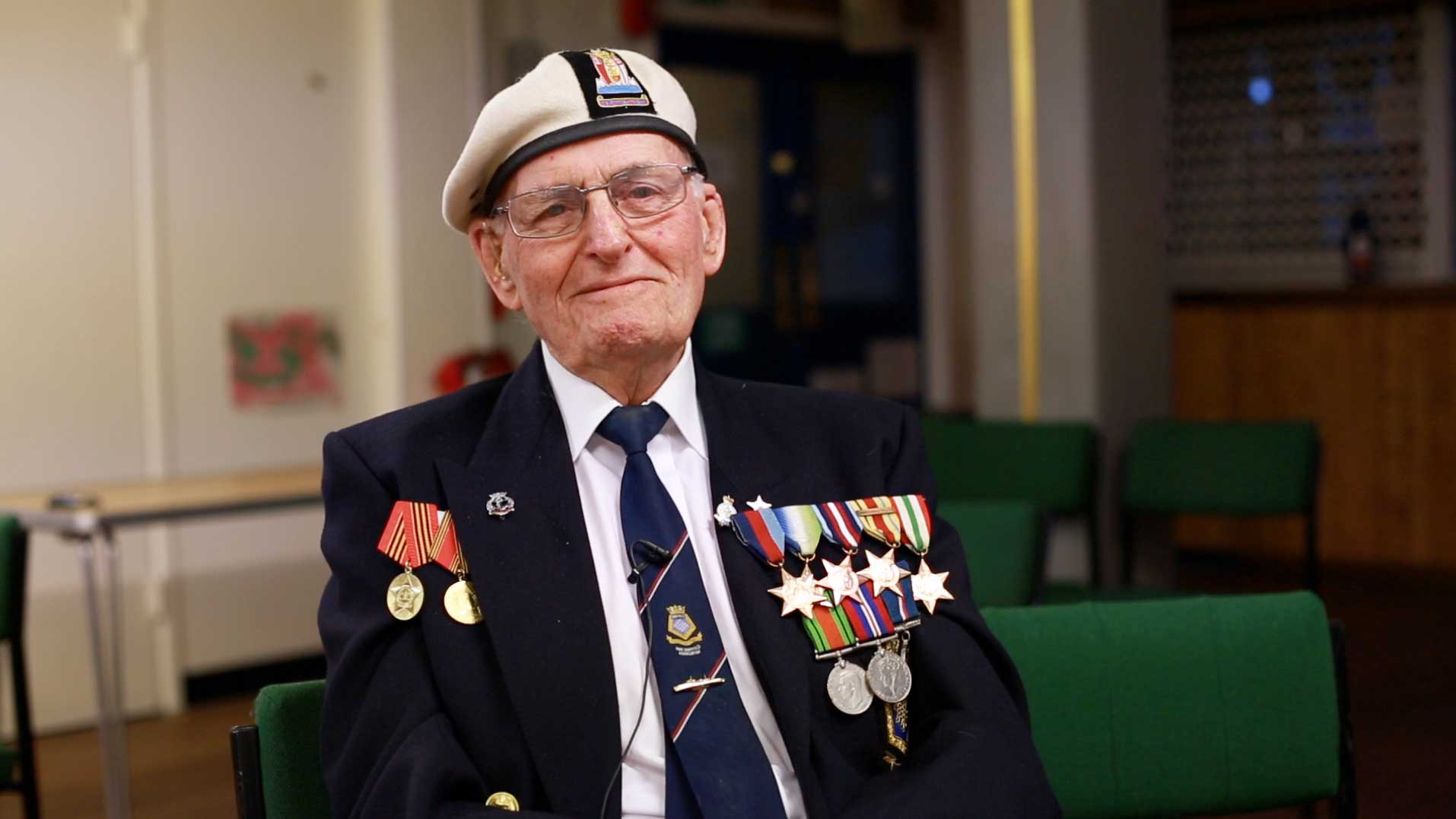
A unique opportunity for pupils from King Richards school in Portsmouth to meet a D-day veteran. In the morning at the museum, in the afternoon they..
Video Coming Soon

Bringing military history to life

Help us tell this veteran's story!

About D-Day school film

Credits


Transcripts:
Please note that transcripts and closed captions in the video player are automatically generated by Vimeo.

Copyright:
All video content, web site design, graphics, images (including submitted content), text, the selection and arrangement thereof, underlying source code, software and all other material on this Web site are the copyright of Legasee Educational Trust, and its affiliates, or their content and technology providers. ALL RIGHTS RESERVED. Any use of materials on this Web site – including reproduction for purposes other than those noted above, modification, distribution, or republication – without the prior written permission of Legasee Educational Trust is strictly prohibited.

Home | Veterans | D-Day school film

A veteran interview with

D-Day school film

dday

A unique opportunity for pupils from King Richards school in Portsmouth to meet a D-day veteran. In the morning at the museum, in the afternoon they..
Related topics & talking points

Keep on watching

More veteran stories...

Share this interview on:

https://www.legasee.org.uk/veteran/d-day-school-film/

Cite this interview:

MLA Style:
film, D-Day. A Veteran Interview with D-Day school film. Interview by Unknown. Legasee, n.d. https://www.legasee.org.uk/veteran/d-day-school-film/. Accessed 13 Jun. 2026.
APA Style:
film, D. (n.d.). A Veteran Interview with D-Day school film [Interview by Unknown]. Legasee. Retrieved June 13, 2026, from https://www.legasee.org.uk/veteran/d-day-school-film/
Chicago Style:
film, D-Day. n.d.. A Veteran Interview with D-Day school film. Interview by Unknown. Legasee. Accessed June 13, 2026. https://www.legasee.org.uk/veteran/d-day-school-film/
Harvard Style:
film, D. (n.d.). A Veteran Interview with D-Day school film. [Interviewed by Unknown]. Legasee. Available at https://www.legasee.org.uk/veteran/d-day-school-film/ (Accessed: 13 June 2026)
Vancouver Style:
film, D. A Veteran Interview with D-Day school film [Internet]. Interview by Unknown. Legasee; n.d. [cited 2026 Jun 13]. Available from: https://www.legasee.org.uk/veteran/d-day-school-film/
An interview with

Geoff Holland

From Manchester joiner to military hero who served in the British Royal Artillery during the Korean War.

Geoff Holland offers an insightful picture of his service in the British Royal Artillery during the Korean War. At the age of eighteen he was already working in trade as an apprentice joiner in Manchester which delayed his enlistment into National Service until 1950 on his 21st birthday. Following his army training at the Royal Artillery Barracks in Woolwich, he was sent to Hong Kong to continue in preparation for Korea. Unfortunately, it was during this period when he received a letter from his fiancée, saying they were breaking up. Soon after, the regiment sailed to Pusan aboard the Empire Orwell (an ex-German liner). Upon arrival, he recalls many unpleasantries on his way to camp. From the scent of human excrement in the paddy fields (putting him off rice) to a turbulent trip on a rattle train with repulsive conditions. His main duties in Korea consisted of carrying ammunition and operating 4-inch mortars which were used to assist the infantry in their push against the Chinese and North Koreans. As a soldier who received limited information, Geoff remained oblivious to certain things such as the exact location of the British infantry despite needing to know the position and range of a mortar before firing. The regiment was fighting in the Battle of the Hook but at the time, Geoff was unaware regarding the significance of his location. He recalls the foulness of his living conditions; no showers or sanitation, facing swarms of rats in the winter followed by the threat of disease by mosquitos in the summer and the constant banging of artillery above. However, he managed to show practicality by improving the warmth of his bed, using newspapers received from his mother for insulation. Many figures stood out in his memory from Korean troops who helped with carrying ammunition and cleaning clothes to a young Scotsman who struggled mentally after his girlfriend had left him. Despite the adversity he faced, Geoff enjoyed his time in Korea despite speaking little of it and though he received no welcome ceremony upon his return to England, in the years that followed he remembers meeting former infantry men from the war who thanked soldiers like him graciously for their support. Geoff's interview discloses the substantial contributions of those serving in the Royal Artillery who lived in the dark while supporting the infantry and reveals the tragedy of personal relationships that befell those who were sent far away to serve in the Korean War.
Service:
Interviewed by:
Martin Bisiker
An interview with

Dennis Bowen

A young soldier joins with idolised views on war and experiences losing his humanity whilst fighting during D Day.

Dennis Bowen retells how as a naive teenager he joined his heroes in the army motivated by the harm World War 2 was having on the UK, the realities of war shattering all of his childish expectations. Initially being too young to fight he served as a demonstrator but due to the lack of action and the overestimation of his own abilities the job felt like a complete waste to him.   Upon reaching 18 he was sent to France as part of the D Day invasion force and was finally among the British soldiers he had always idolised. Whilst Dennis found himself trembling with excitement the older soldiers remained blasé, the realisation of how much experience he truly lacked immediately hitting him. He was shocked to witness them reflexively kill German soldiers before they could even try to surrender but overtime he also found himself treating them more like moving targets than people.   Dennis felt no longer human and like the battle would never end as everything except fighting was leaving his mind; there was no time for hunger, fatigue or pain, only fear, anxiety and excitement. Occasionally the thought of giving up did slip through but the fact none of his fellow soldiers had done so forced him to keep going as to not let them and especially those who had died down. When serious injuries temporarily left him unable to fight Dennis was so angry to be out of the battle he felt none of the physical pain as potentially letting everybody down was so much more distressing to him.  
Service:
Interviewed by:
Martin Bisiker