Home | Veterans | Bill Edwardes
Bill-Edwardes-1

A veteran interview with

Bill Edwardes

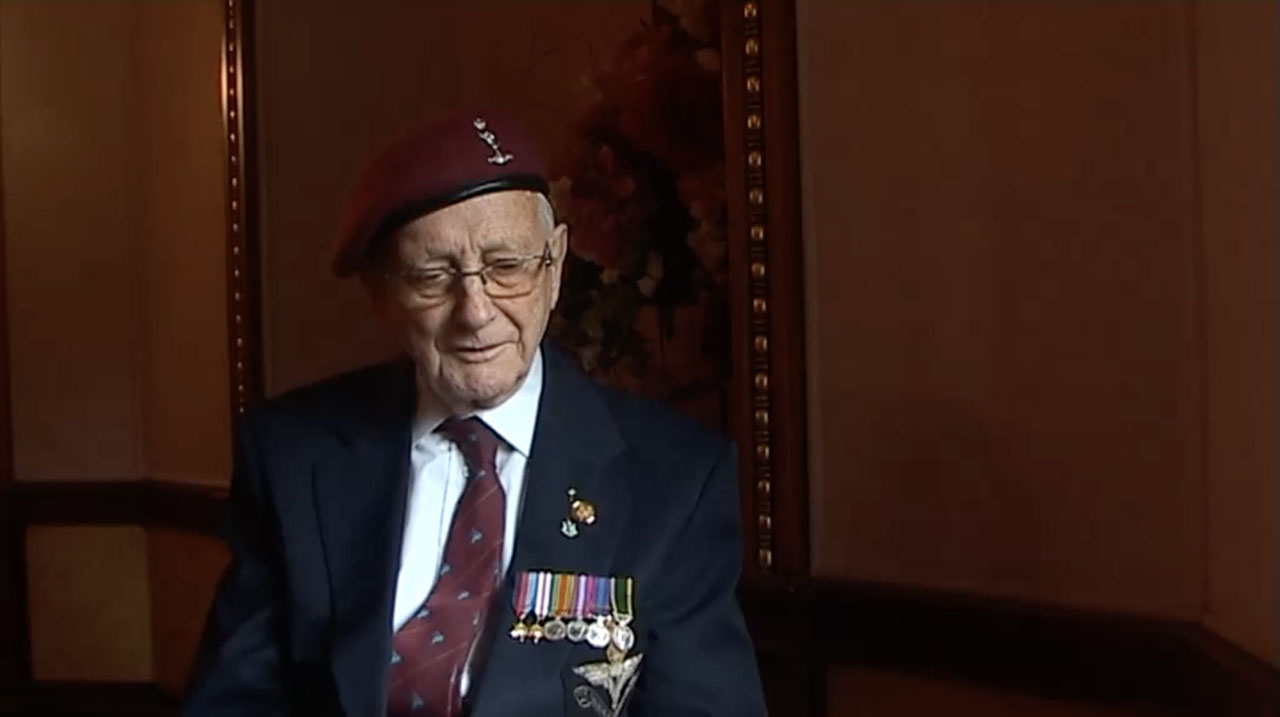
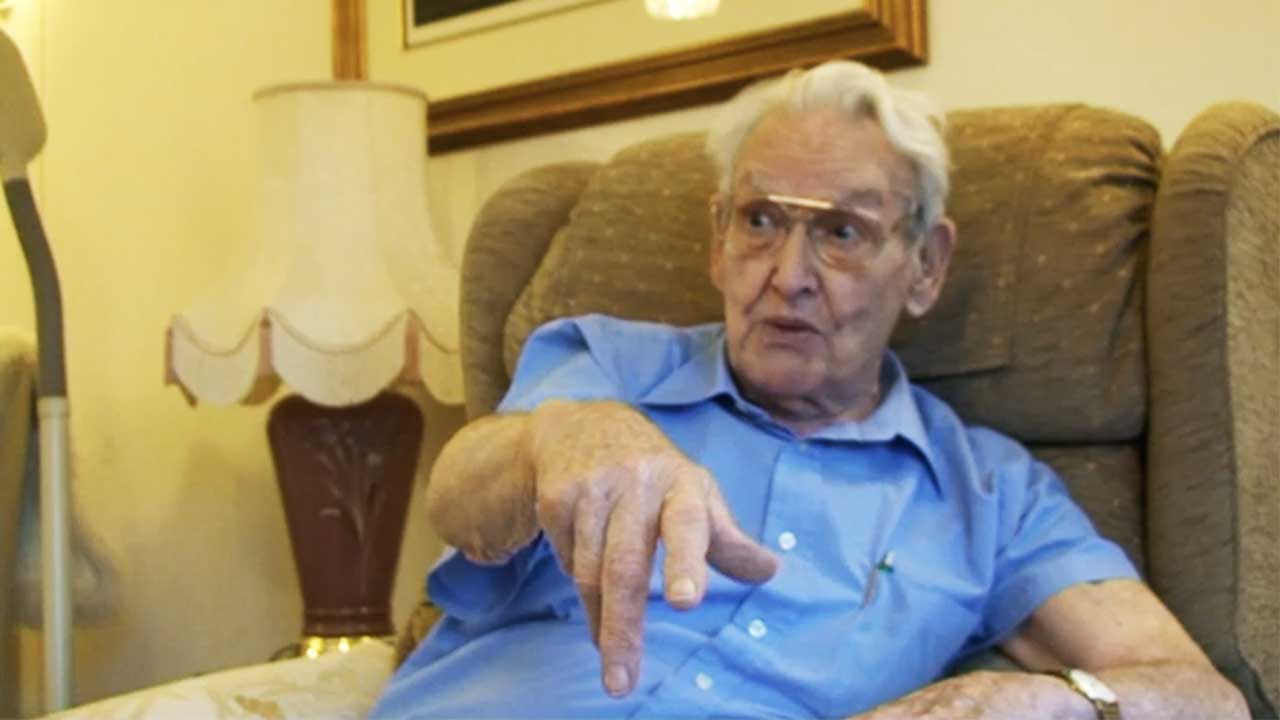
You go because you know you’ve got to. Somebody is relying on you and that’s what you’re trained for….’ As a Stretcher Bearer, Bill Edwardes helped so many injured men, even when he was shaken.
Video Coming Soon

Bringing military history to life

Help us tell this veteran's story!

About Bill Edwardes

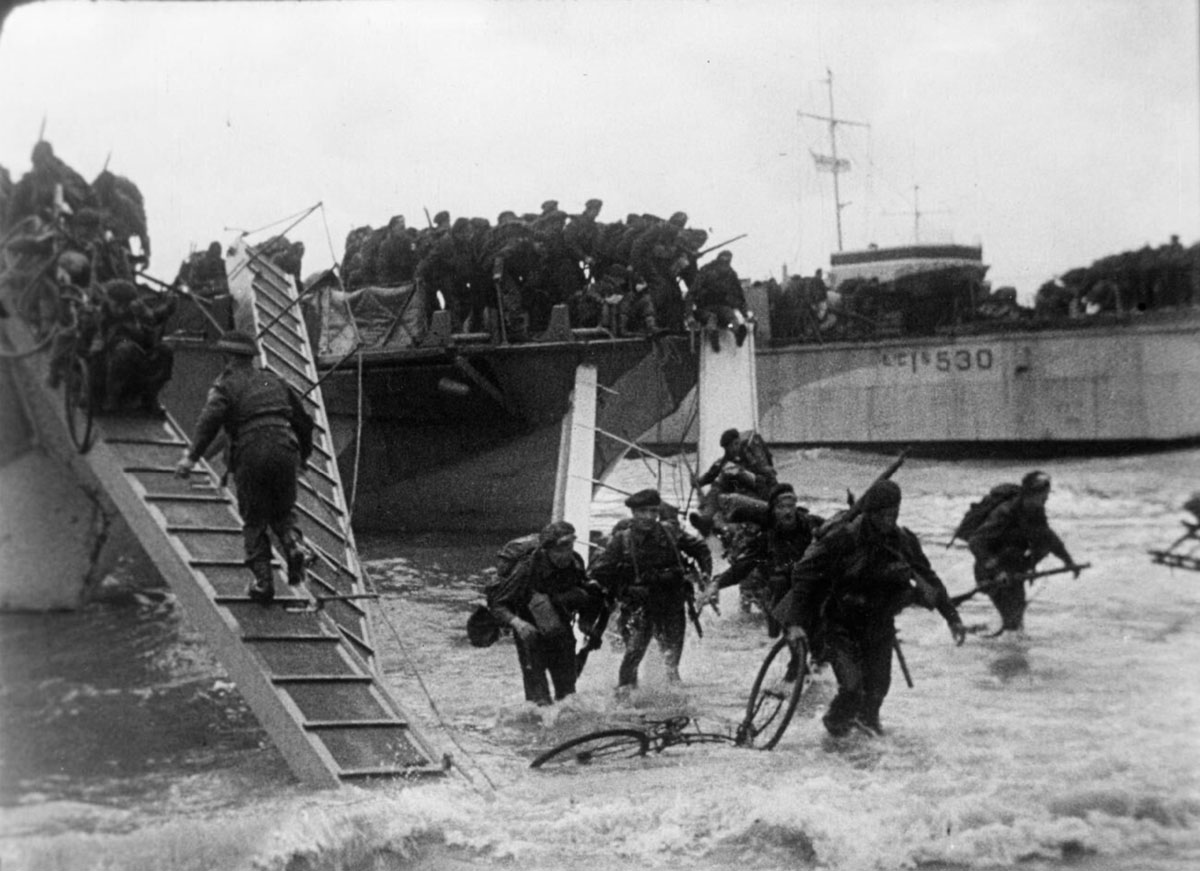
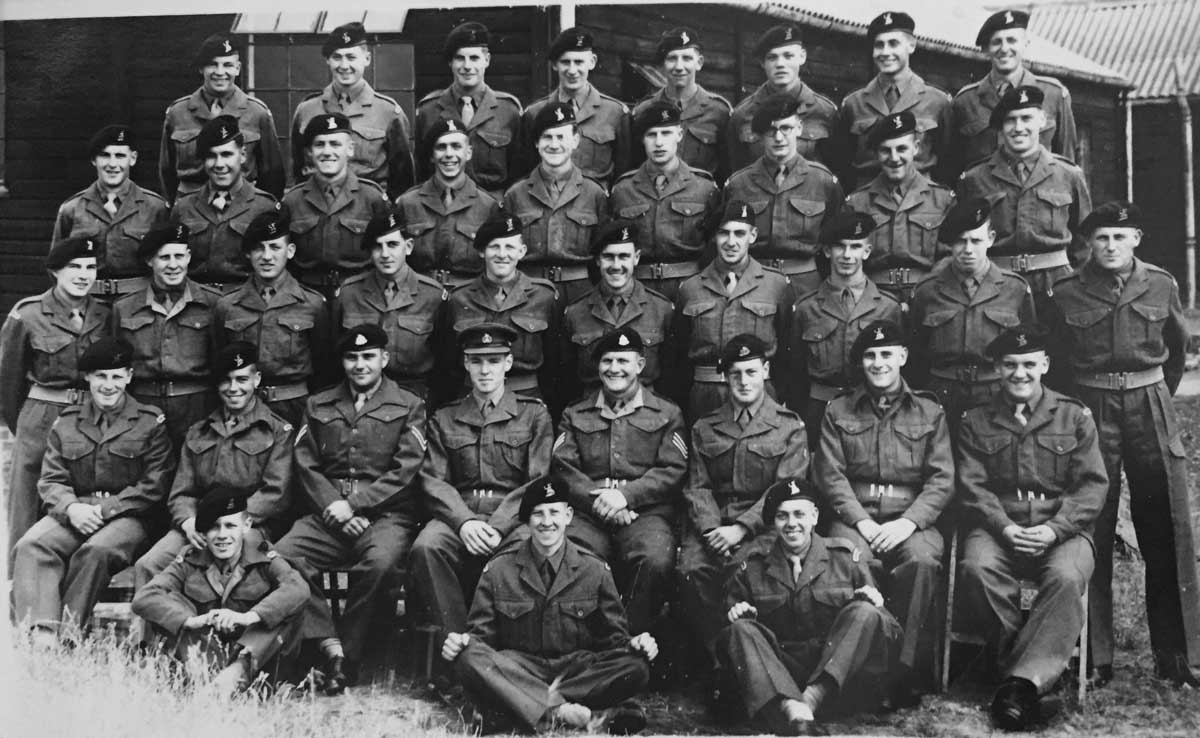
Bill Edwardes recounts his experience as a stretcher bearer during D Day after joining the army as an adventure seeking 16 year old that didn’t want to miss out on the action. Despite his age, Bill chose to train to become an infantryman; his mother and army officer both believed him to be mad but he enjoyed every minute of it. Unfortunately, an injury forced him to switch battalions and become a stretch bearer six weeks before D Day, essentially wasting his nine months of training.

It was ingrained in the stretcher bearers to be constantly moving between each casualty, causing Bill to begin feeling relieved when a person was dead as no time had to be wasted on them. When he was in between helping casualties and no longer distracted by his job, his fear and doubt would begin to fester but the fact people were relying on him kept him going. Unlike some of the other stretcher bearers, Bill was able to just get on with it, which he credits to his father also being a medic. 

Bill felt satisfied with his contribution during D Day so left the army as soon as he was able; he had no regrets but still wanted to check up on some of the people he had helped. He later chose to return to the beaches of Normandy to see how the area had changed and the poignancy he felt being there again left him speechless. Bill had never experienced PTSD until he started doing battlefield tours for work and began to have nightmares about his time serving in the army. 

Credits


Reviewed by:
Leon Graham

Transcripts:
Please note that transcripts and closed captions in the video player are automatically generated by Vimeo.

Copyright:
All video content, web site design, graphics, images (including submitted content), text, the selection and arrangement thereof, underlying source code, software and all other material on this Web site are the copyright of Legasee Educational Trust, and its affiliates, or their content and technology providers. ALL RIGHTS RESERVED. Any use of materials on this Web site – including reproduction for purposes other than those noted above, modification, distribution, or republication – without the prior written permission of Legasee Educational Trust is strictly prohibited.

Home | Veterans | Bill Edwardes

A veteran interview with

Bill Edwardes

Bill-Edwardes-1

You go because you know you’ve got to. Somebody is relying on you and that’s what you’re trained for….’ As a Stretcher Bearer, Bill Edwardes helped so many injured men, even when he was shaken.
Related topics & talking points

Keep on watching

More veteran stories...

Share this interview on:

https://www.legasee.org.uk/veteran/bill-edwardes/

Cite this interview:

MLA Style:
Edwardes, Bill. A Veteran Interview with Bill Edwardes. Interview by Unknown. Legasee, n.d. https://www.legasee.org.uk/veteran/bill-edwardes/. Accessed 18 Nov. 2025.
APA Style:
Edwardes, B. (n.d.). A Veteran Interview with Bill Edwardes [Interview by Unknown]. Legasee. Retrieved November 18, 2025, from https://www.legasee.org.uk/veteran/bill-edwardes/
Chicago Style:
Edwardes, Bill. n.d.. A Veteran Interview with Bill Edwardes. Interview by Unknown. Legasee. Accessed November 18, 2025. https://www.legasee.org.uk/veteran/bill-edwardes/
Harvard Style:
Edwardes, B. (n.d.). A Veteran Interview with Bill Edwardes. [Interviewed by Unknown]. Legasee. Available at https://www.legasee.org.uk/veteran/bill-edwardes/ (Accessed: 18 November 2025)
Vancouver Style:
Edwardes, B. A Veteran Interview with Bill Edwardes [Internet]. Interview by Unknown. Legasee; n.d. [cited 2025 Nov 18]. Available from: https://www.legasee.org.uk/veteran/bill-edwardes/
An interview with

George Batts

From the Sussex countryside to Normandy: George recalls the ‘daft’ decision to volunteer in the lead up to D-Day.

At only 17, George Batts, MBE, Leg d’Hon enlisted for military service, hoping like many others his age that it would make him a hero. From an ex-schoolboy in the Sussex countryside to a Corporal in the Royal Engineers, life for George changed dramatically when he volunteered himself for special duties, where he was trained on fitness, booby traps, and how to dismantle mines. Although he enjoyed the physical intensity of his training, George soon experienced the first hand 'organised chaos' of Normandy, after landing at Gold Beach in total darkness on board a Landing Ship Infantry. He recalls the terrible storm, the sound of gunfire, and later the sight of ambulances treating the long queues of wounded servicemen.  In this interview, George proudly describes his work on the Mulberry Harbours, before moving to a more front-line role in Belgium. On VE Day, while others celebrated, George knew he would soon be bound for India, to assist the continuing war effort in the Far East. Thirty two days later he arrived in Bombay, and afterwards sailed to Malaya, though was interrupted by the detonation of the atomic bombs in Japan before his arrival. Like many other veterans, here George describes himself as “one of the lucky ones”, and shares his hope for the future. Following the war, George was eventually made National Secretary of the Normandy Veterans Association, and served as an integral part of Legasee's Normandy project, ensuring that similar stories will never be forgotten. 
Service:
Interviewed by:
Martin Bisiker
An interview with

Roy Painter

Roy fought in Korea and remembers a comrade who died in an Allied prison after a trivial offence

Roy was sent to Korea in 1952 while doing his National Service and was shocked by the conditions in Korea which were worse than London after the blitz. He served as a signalman during the Imjin River battles. In their front line positions they were infested with rats and their hot food froze after a few minutes. He felt that the British soldiers were treated poorly compared to their allies. Their infantry weapons were old fashioned, food and clothing were worse and the pay was far less. He feared the enemy mortar bombs and watching the US air force dropping napalm was dreadful. However most of the time during the war was boring. A friend of his died after coming out of an Allied military prison where he was severely beaten. This event still affects Roy and he has tried to get redress for his comrade but to no avail.
Photo Gallery icon 14 Photos
Service:
Interviewed by:
Jongwoo Han
An interview with

Marjorie Inkster

Marjorie Inkster was a FANY radar technician who later led a team of REME technicians maintaining the radar on anti-aircraft guns in north London.

Marjorie Inkster was inspired to become a FANY and later work on anti-aircraft radar when her parent’s house was bombed early in the war. Because she was only 19 and had insufficient driving experience, she spent a year on petrol counting, which prompted her to volunteer for radar training. After 9 months’ training, she initially worked on radar research then found herself in charge of a REME detachment of men looking after the radar for 5 gun sites in north London. She provides many interesting and inspiring recollections: dealing with an incendiary that hit her lodgings; the extent of the technical training; the competition to service the radar on a dredger because they got navy chocolate; avoiding a bomb as they drove to fix a radar; sending secret components for repair by normal post. In London, she was incentivised to ensure the Identification Friend or Foe worked correctly because her brother was a night fighter pilot. Secrecy meant their work was never discussed, including the fact that her sister spent the war at Bletchley Park.
Service:
Interviewed by:
Ailsa Camm