Home | Veterans | Alfred Blake
Alfred-Blake-Frame-LR-1

A veteran interview with

Alfred Blake

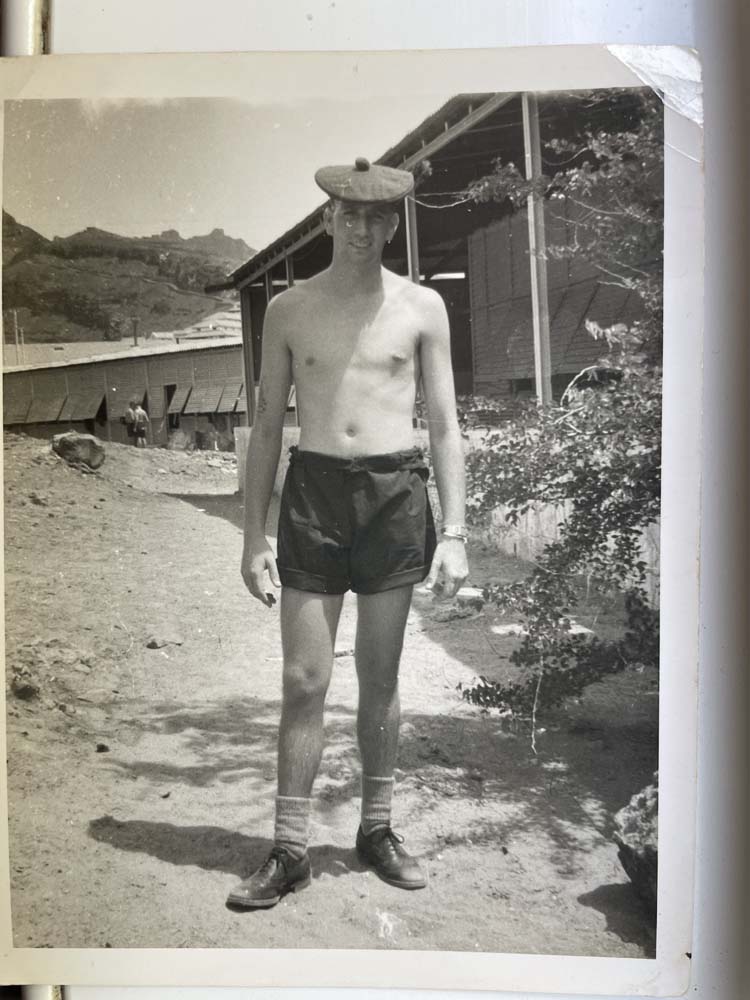
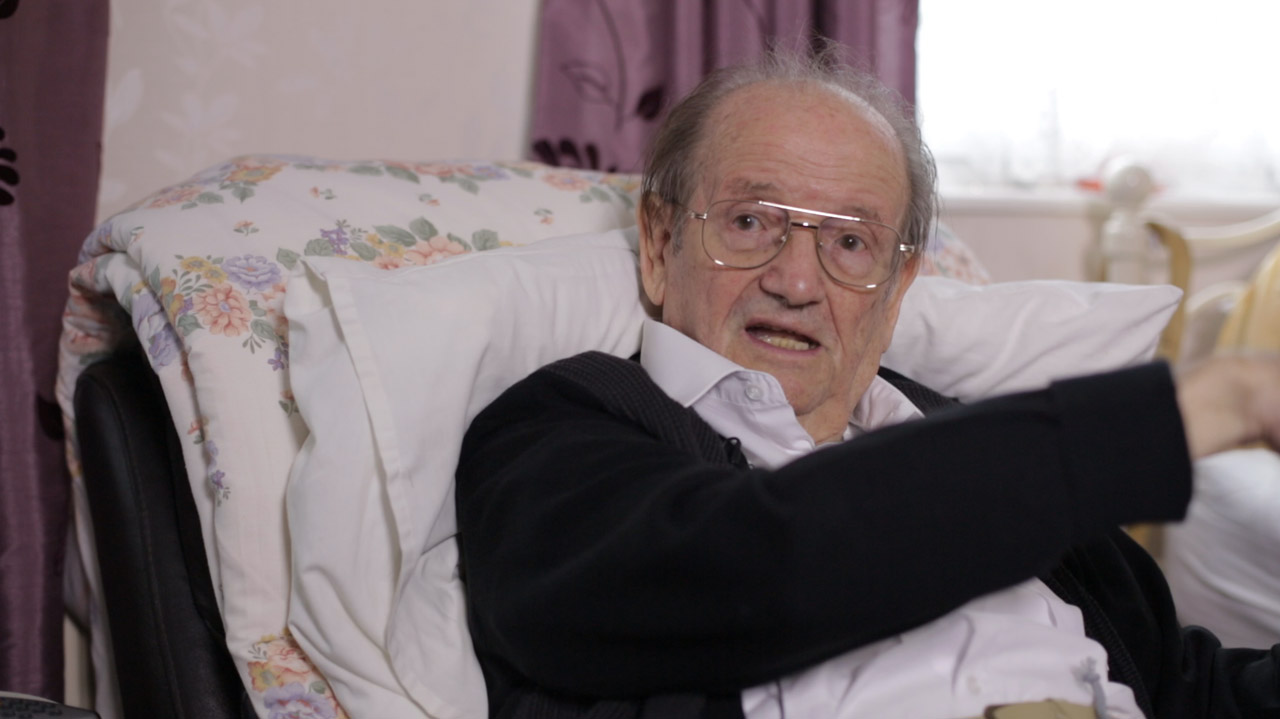
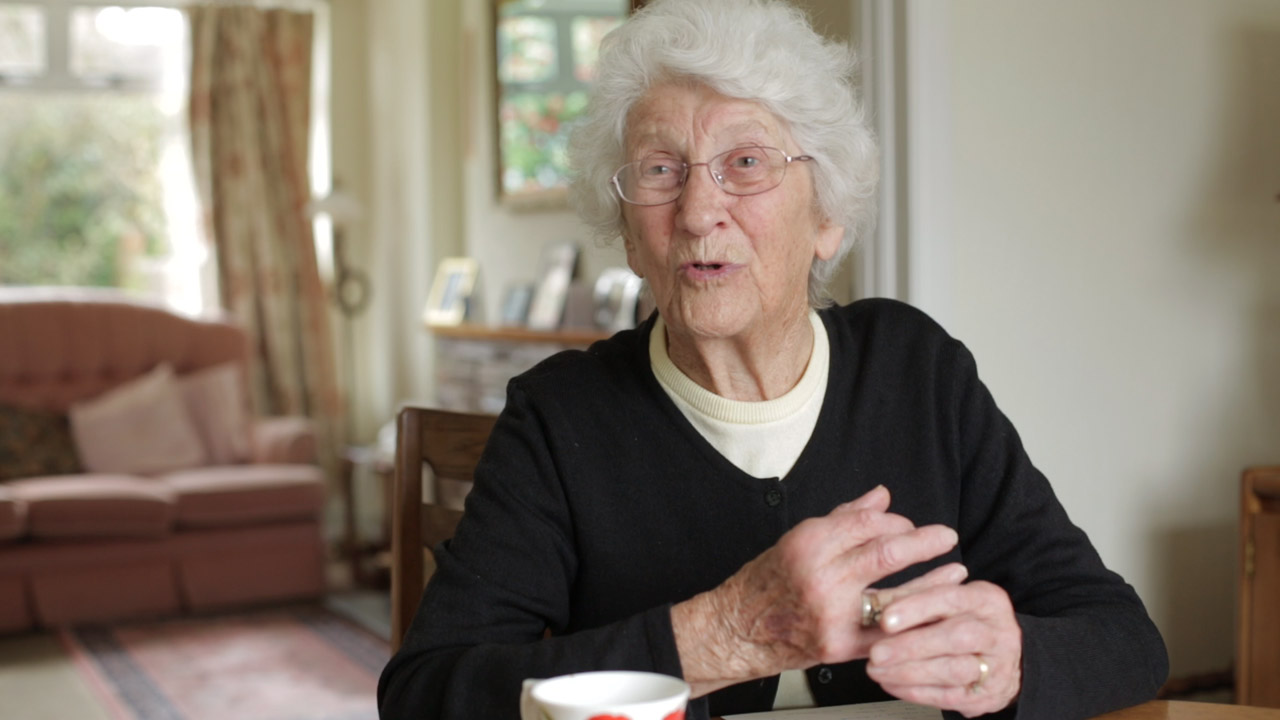
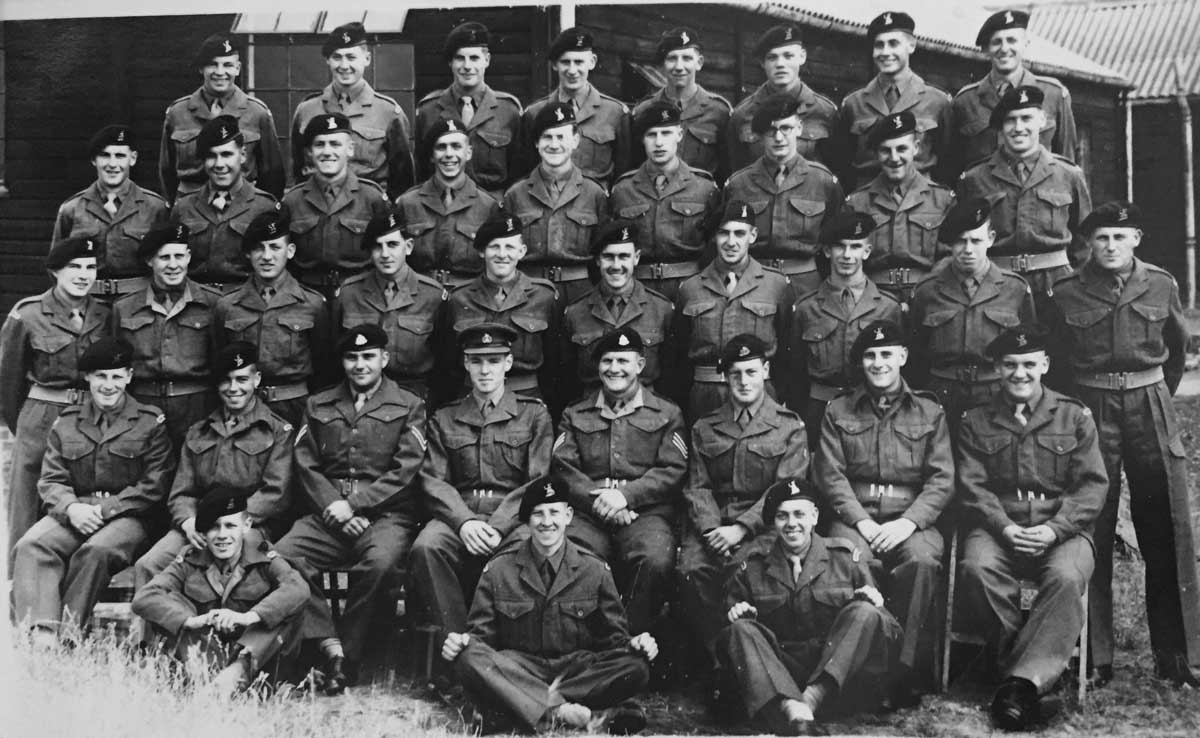
Alfred Blake was conscripted to the Queen’s Own Cameron Highlanders in 1955. He was advised that the Infantry would provide more excitement to his National Service and it certainly proved to be the case.

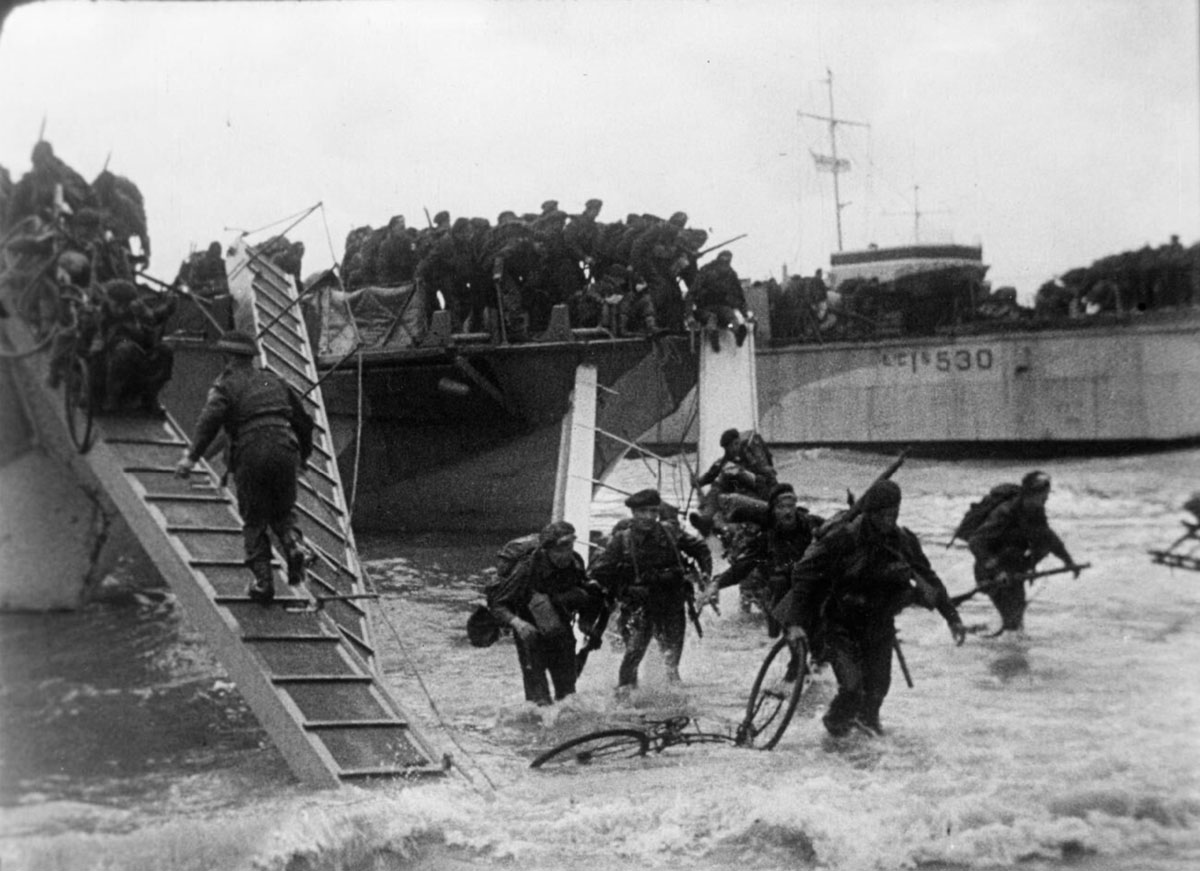
Born in South London, the furthest he’d ever travelled was to go hopping in Kent during the summer holidays. The regiment were based in Inverness. His first deployment was to Korea where he was part of the peacekeeping force. Six months later, the regiment is sent to Aden. On one patrol the platoon is attacked and Alfred is very lucky to survive.

Alfred has shared some great photos.

Play video
Watch the interview
Discover 6 key interview topics and talking points

About Alfred Blake

Alfred Blake was conscripted to the Queen’s Own Cameron Highlanders in 1955. He was advised that the Infantry would provide more excitement to his National Service and it certainly proved to be the case.

Born in South London, the furthest he’d ever travelled was to go hopping in Kent during the summer holidays. The regiment were based in Inverness. His first deployment was to Korea where he was part of the peacekeeping force. Six months later, the regiment is sent to Aden. On one patrol the platoon is attacked and Alfred is very lucky to survive.

Alfred has shared some great photos.

Credits

Interviewed by:
Martin Bisiker
Reviewed by:
Martin B

Transcripts:
Please note that transcripts and closed captions in the video player are automatically generated by Vimeo.

Copyright:
All video content, web site design, graphics, images (including submitted content), text, the selection and arrangement thereof, underlying source code, software and all other material on this Web site are the copyright of Legasee Educational Trust, and its affiliates, or their content and technology providers. ALL RIGHTS RESERVED. Any use of materials on this Web site – including reproduction for purposes other than those noted above, modification, distribution, or republication – without the prior written permission of Legasee Educational Trust is strictly prohibited.

Home | Veterans | Alfred Blake

A veteran interview with

Alfred Blake

Alfred-Blake-Frame-LR-1

Alfred Blake was conscripted to the Queen’s Own Cameron Highlanders in 1955. He was advised that the Infantry would provide more excitement to his National Service and it certainly proved to be the case.

Born in South London, the furthest he’d ever travelled was to go hopping in Kent during the summer holidays. The regiment were based in Inverness. His first deployment was to Korea where he was part of the peacekeeping force. Six months later, the regiment is sent to Aden. On one patrol the platoon is attacked and Alfred is very lucky to survive.

Alfred has shared some great photos.

Related topics & talking points

Veteran gallery

Photos & memories

Keep on watching

More veteran stories...

Share this interview on:

https://www.legasee.org.uk/veteran/alfred-blake/

Cite this interview:

MLA Style:
Blake, Alfred. A Veteran Interview with Alfred Blake. Interview by Martin Bisiker. Legasee, n.d. https://www.legasee.org.uk/veteran/alfred-blake/. Accessed 17 Aug. 2026.
APA Style:
Blake, A. (n.d.). A Veteran Interview with Alfred Blake [Interview by Martin Bisiker]. Legasee. Retrieved August 17, 2026, from https://www.legasee.org.uk/veteran/alfred-blake/
Chicago Style:
Blake, Alfred. n.d.. A Veteran Interview with Alfred Blake. Interview by Martin Bisiker. Legasee. Accessed August 17, 2026. https://www.legasee.org.uk/veteran/alfred-blake/
Harvard Style:
Blake, A. (n.d.). A Veteran Interview with Alfred Blake. [Interviewed by Martin Bisiker]. Legasee. Available at https://www.legasee.org.uk/veteran/alfred-blake/ (Accessed: 17 August 2026)
Vancouver Style:
Blake, A. A Veteran Interview with Alfred Blake [Internet]. Interview by M. Bisiker. Legasee; n.d. [cited 2026 Aug 17]. Available from: https://www.legasee.org.uk/veteran/alfred-blake/
An interview with

Sharon Broderick

Sharon was a chef with the Women's Royal Army Corps and the Army Catering Corps.

Sharon's interview provides an insight into the life of an ambitious woman who pushed against gender boundaries at the time. Having always wanted to join the military, Sharon thrived on the discipline at Guildford and felt proud to wear her uniform. She describes however, the difference in treatment towards men and women within her chef trade training, and how she felt as if the expectations of women were far lower than that of their male counterpoints. Sharon also describes her first posting to Ireland with the Army Catering Corps and the harsh reality of serving during this dangerous period. She later recalls her return to Belfast in 1988, where she was an unfortunate victim of the bombing and reflects on the trauma, she, and others alike, faced on that tour. Sharon also describes the conditions she worked in at the nuclear bunker in Wilton during the height of the Cold War. She only cooked with rations, tinned goods and remained underground for entire shifts. From this point onwards she continued to rise in her corps and as a result became the first female chef to serve officer residences, where she catered for individuals such as Prince Charles and Princess Diana. Reflecting on her time with the WRAC Sharon maintains that she feels forever connected to the female corps, but recognises how it restricted women's opportunities at the time.
Service:
Interviewed by:
Martin Bisiker
An interview with

Jean Argles

Jean worked as a Cipher Operator in the First Aid Nursing Yeomanry (FANY), serving in WW2

At only 16 years old, Jean Argles felt a calling to serve in the army. By 18, she found herself in London, interviewing for the First Aid Nursing Yeomanry (FANY). A critical question was asked in the interview: “Do you do crosswords?” A test of Jean’s aptitude for critical code and cipher work during wartime. With her answer, Jean entered a world of secrecy, decoding messages in operations that took her over the globe. After carrying out her training on Baker Street, she learned of opportunities overseas. Jean’s work took her from London to Egypt, working on the banks of the Nile. She carried out work to code messages for undercover agents in Greece and the Balkans, and also recalls fond memories of exploration in Egypt: nightclubs, horse-riding and visiting the Pyramids. Following this, she volunteered for a new assignment in Italy. Stationed in a small fishing village, Jean supported resistance members, encoding vital messages. When the German army finally surrendered, Jean remained in Italy until September before returning to the UK. Reflecting on her time with the FANYs, she describes it as the most transformative experience of her life. It offered her freedom, confidence, and a sense of purpose. Jean’s story is a testament to the unique opportunities the war presented to women at a time when their roles were otherwise limited. For Jean, the FANYs weren’t only about service, they were a gateway to adventure and independence.
Service:
Interviewed by:
Martin Bisiker