Home | Veterans | Walter Irish
Walter-Irish

A veteran interview with

Walter Irish

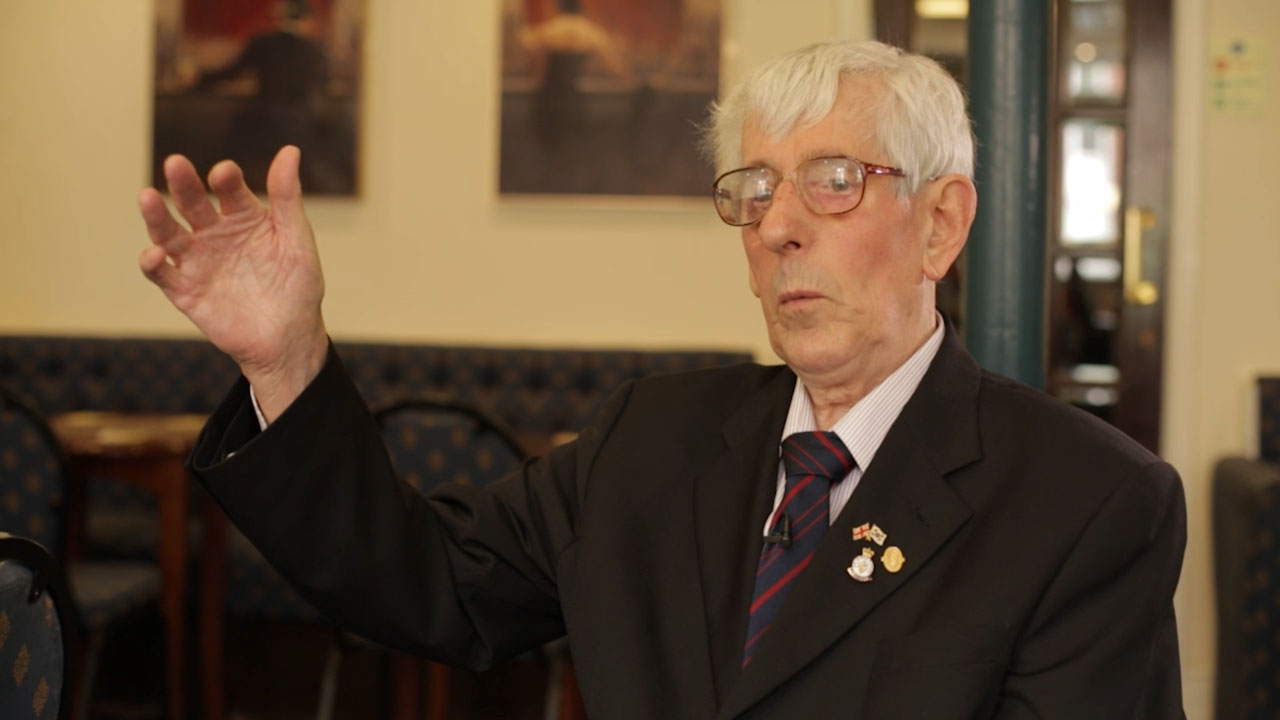
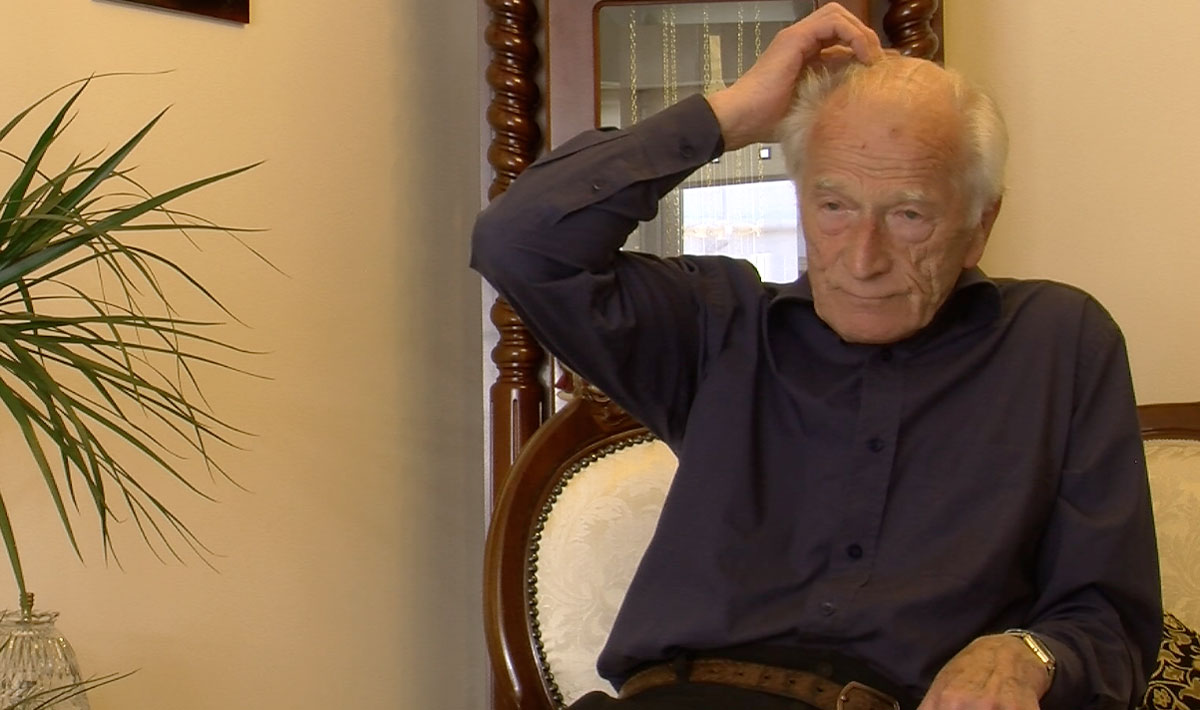
Walter Irish served with 41 Independent Commando during the Korean War.

Play video
Watch the interview

About Walter Irish

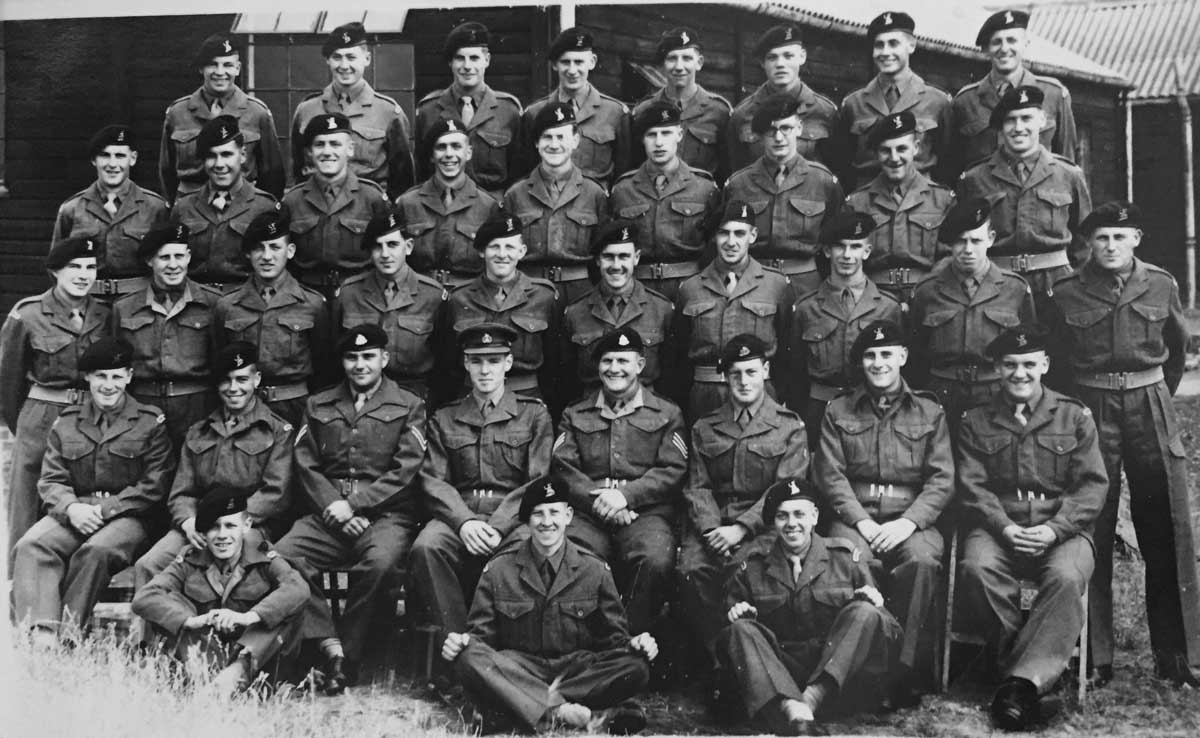
Walter Irish was just 18 when a chance encounter with a Royal Marine in uniform inspired him to enlist. Having grown up on a farm near Newton Abbot, he took easily to the physical demands of commando training and proudly earned his green beret. Posted to 41 Independent Commando, he soon found himself in Japan, re-equipped with American weapons and training alongside the US Marines.

In his interview, Walter recalls daring raids on North Korean supply lines, gruelling night landings, and the bitter cold of the Chosin Reservoir campaign where temperatures plummeted to -34°C. He describes the chaos of ambush, the loss of friends, and the sheer will to survive. Wounded by shrapnel, he was evacuated to Japan but carried with him the enduring bond of comradeship.

Walter went on to serve in Borneo, Malta, Singapore, and Aden, but Korea remained a defining experience. His testimony sheds light not only on the hardships of war but also on the resilience of a young Royal Marine who never forgot the men he served alongside.

Credits

Interviewed by:
Martin Bisiker
Reviewed by:
Lucy Smith

Transcripts:
Please note that transcripts and closed captions in the video player are automatically generated by Vimeo.

Copyright:
All video content, web site design, graphics, images (including submitted content), text, the selection and arrangement thereof, underlying source code, software and all other material on this Web site are the copyright of Legasee Educational Trust, and its affiliates, or their content and technology providers. ALL RIGHTS RESERVED. Any use of materials on this Web site – including reproduction for purposes other than those noted above, modification, distribution, or republication – without the prior written permission of Legasee Educational Trust is strictly prohibited.

Home | Veterans | Walter Irish

A veteran interview with

Walter Irish

Walter-Irish

Walter Irish served with 41 Independent Commando during the Korean War.

Related topics & talking points

Keep on watching

More veteran stories...

Share this interview on:

https://www.legasee.org.uk/veteran/walter-irish/

Cite this interview:

MLA Style:
Irish, Walter. A Veteran Interview with Walter Irish. Interview by Martin Bisiker. Legasee, n.d. https://www.legasee.org.uk/veteran/walter-irish/. Accessed 6 Jun. 2026.
APA Style:
Irish, W. (n.d.). A Veteran Interview with Walter Irish [Interview by Martin Bisiker]. Legasee. Retrieved June 6, 2026, from https://www.legasee.org.uk/veteran/walter-irish/
Chicago Style:
Irish, Walter. n.d.. A Veteran Interview with Walter Irish. Interview by Martin Bisiker. Legasee. Accessed June 6, 2026. https://www.legasee.org.uk/veteran/walter-irish/
Harvard Style:
Irish, W. (n.d.). A Veteran Interview with Walter Irish. [Interviewed by Martin Bisiker]. Legasee. Available at https://www.legasee.org.uk/veteran/walter-irish/ (Accessed: 6 June 2026)
Vancouver Style:
Irish, W. A Veteran Interview with Walter Irish [Internet]. Interview by M. Bisiker. Legasee; n.d. [cited 2026 Jun 6]. Available from: https://www.legasee.org.uk/veteran/walter-irish/
An interview with

David Jefferies

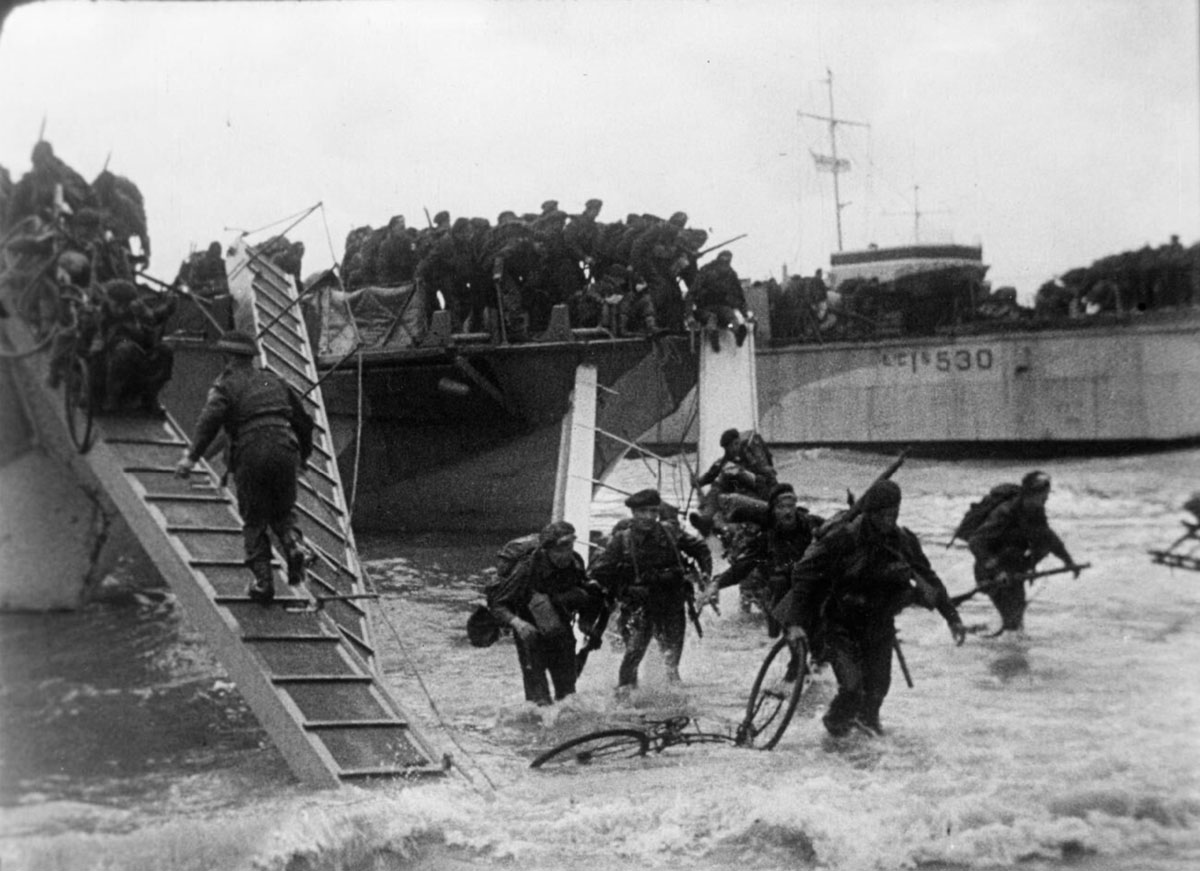
As a signalman, David 'Bunts' Jefferies witnessed the first hand chaos of D-Day: with great modesty, he recounts his experience on board an LCT.

Known fondly as ‘Bunts’ to his friends, after the Naval slang for bunting, David Jefferies had always dreamed of joining the Royal Marine Marching Band. Due to increasing hostilities, he was denied entry in a devastating blow, but didn’t let the news stop him from pursuing a job in the armed forces.  Upon discovering that the Navy was short of signalmen, David decided to concentrate on his knowledge of semaphore and Morse code. He took quickly to life as a signalman and decided to try his luck in the Navy, where he found himself aboard HMS Foudroyant, at the time the oldest warship afloat.  In 1944, as part of D-Day preparations, David joined a crew of 11 and experienced his first journey on board a Landing Craft Tank. Arriving at Gold Beach, Normandy, the role of David’s crew was to provide assistance up and down the coast; despite being a young man at the time, he kept his calm throughout the invasion, even when his craft was hit by an 88, which he considered to be nothing more than a temporary shakeup.  During D-Day, death didn’t occur solely as a result of gunfire. Although David and his crew were lucky, other men were sadly lost amidst the chaos of the operation. 
An interview with

Ted Baker

Ted Baker was a telegraphist, initially on patrol craft in Nova Scotia, then escorting convoys after D-Day, finishing his service repatriating POWs in Hong Kong.

Ted Baker joined the navy in January 1942. After basic training at Skegness and qualifying as a telegraphist, he deployed on patrol craft to Halifax, Nova Scotia. There, he joined a T-Class trawler for local defence, engaging in anti-submarine patrols and mine sweeping. He returned to Europe in time to take part in the D-Day landings, escorting convoys from Wales and Plymouth. After commissioning, he was on the way to the Far East when the war ended, so was subsequently involved in the repatriation of POWs from Hong Kong. Reflecting on his naval service, Ted valued comradeship, especially on smaller ships, and recalled vivid memories of working with Canadian and Newfoundland seamen, especially one for whom he had to correspond with his girlfriend because he could not write. Post D-Day, Ted's ship collected bodies from Omaha beachhead, a grim task that left lasting impressions. The noise from naval barrages was overwhelming. While a positive experience, like most veterans, he wishes it had never happened.
An interview with

Bernard Howell

16-Year-Old Bernard Howell's Naval Journey: Training in Portsmouth to Battles at Juno Beach and Normandy on HMS Faulknor.

Bernard Howell joined the Royal Navy at 16 and underwent four weeks of training at Portsmouth barracks. He was then drafted to HMS Faulknor, a battle destroyer, where he participated in several convoys to Iceland, Russia, and the Mediterranean. The ship was later recalled to England and anchored off the Isle of Wight, awaiting further orders. On June 4th, they were directed to Juno Beach, but due to rough weather in the channel, they were recalled several times. Eventually, they were sent back out with the Canadians, with orders to shoot at anything that moved. By lunchtime, they had exhausted their ammunition firing at a small French town and returned to Portsmouth to resupply. After picking up General Montgomery, they headed back to Normandy but ran aground too close to the shore. They were rescued by two American Landing Crafts and remained in constant combat for another three weeks. Bernard, having been prepared by his time in the Russian convoys, faced this combat without fear.