Home | Veterans | Richard Donovan
RichardDonovan

A veteran interview with

Richard Donovan

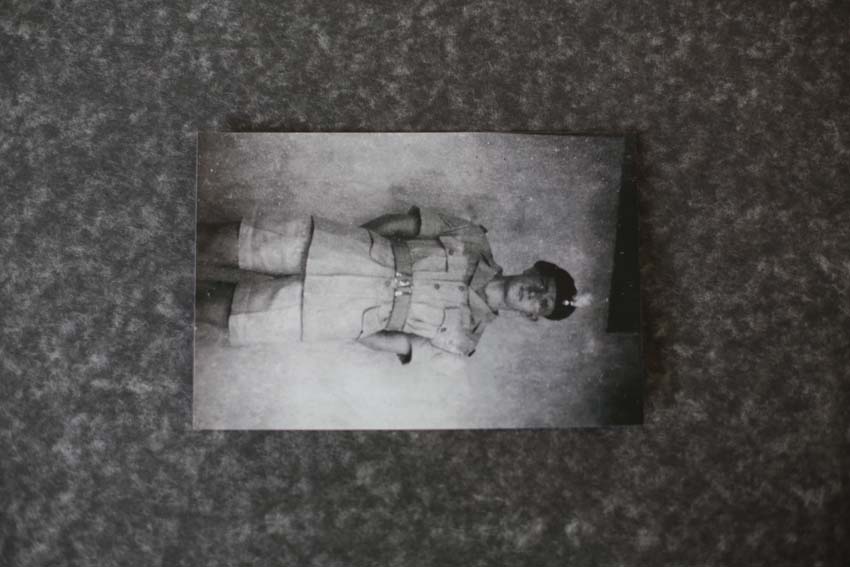
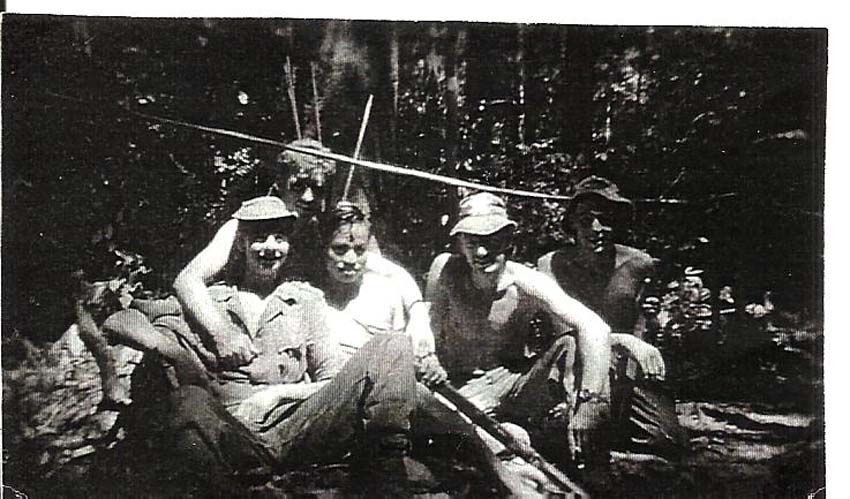
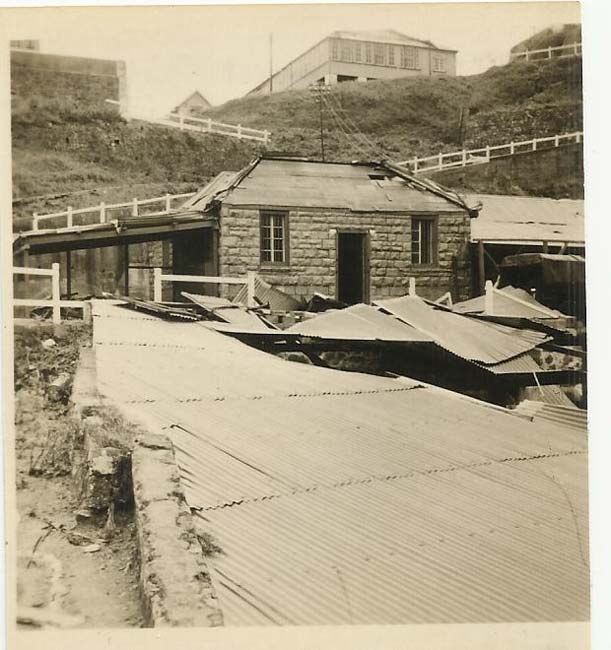
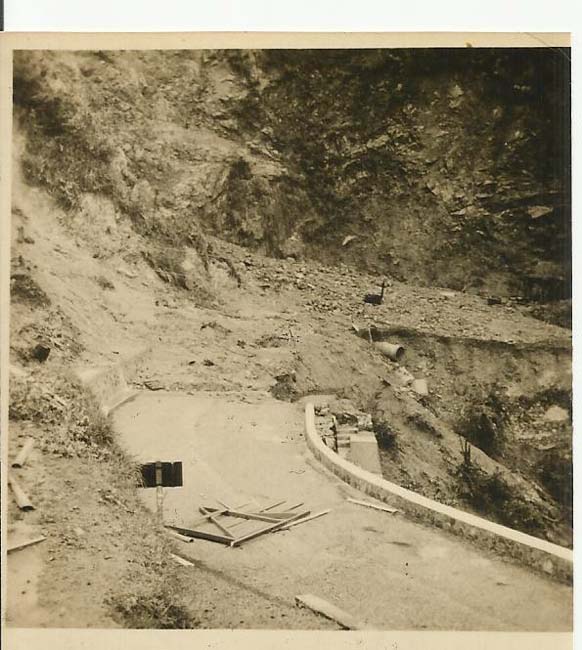
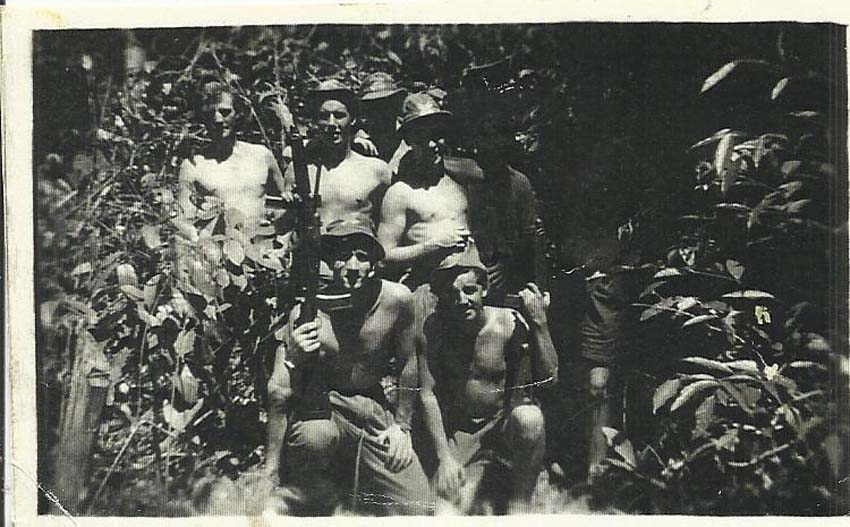
Check Richard’s photos…

Play video
Watch the interview

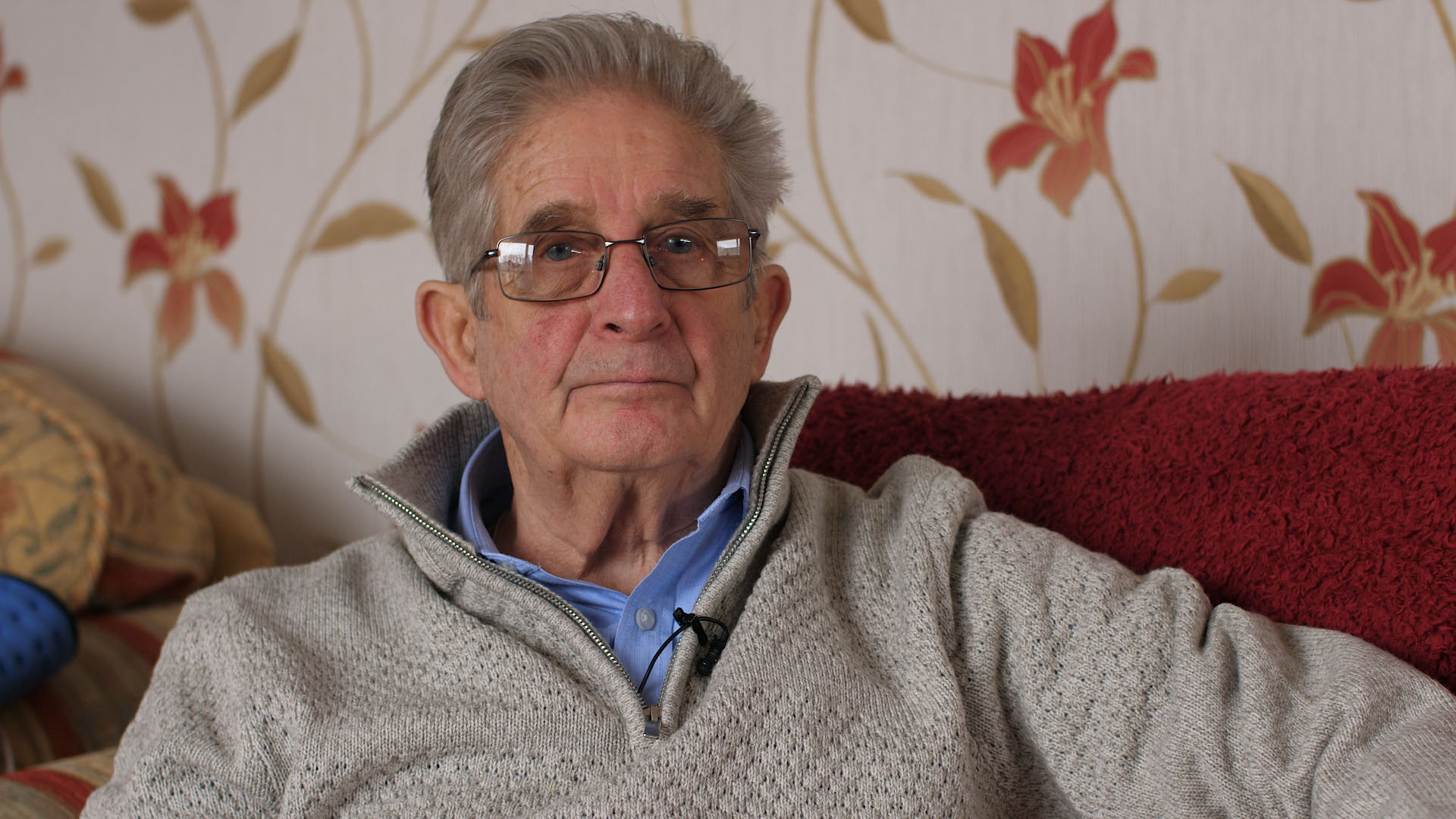
About Richard Donovan

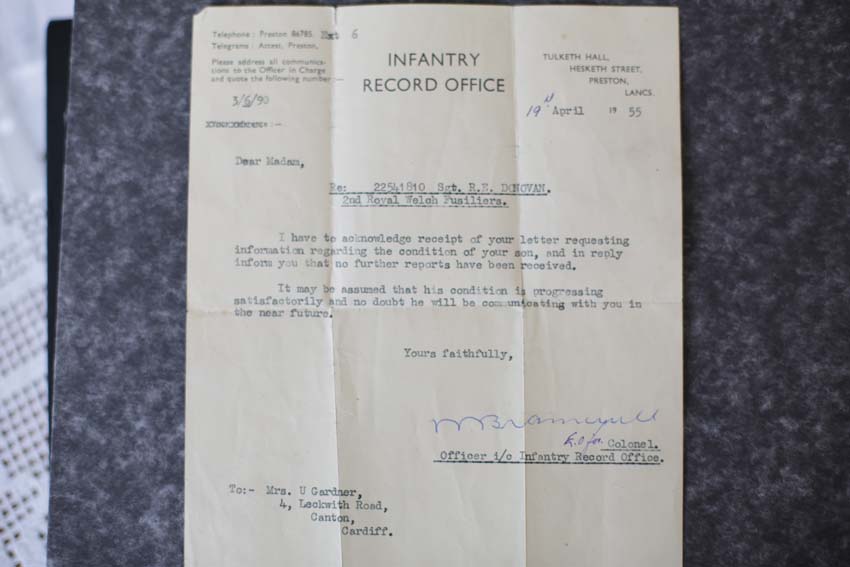
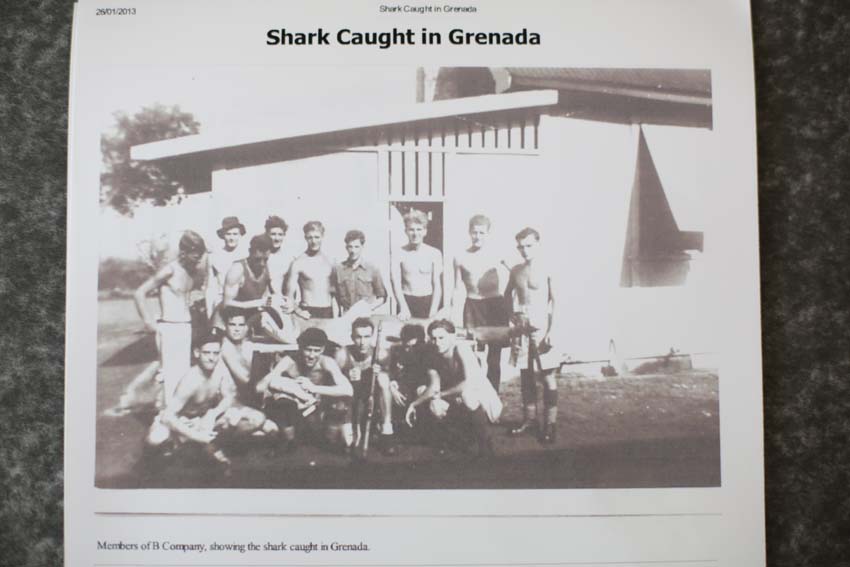
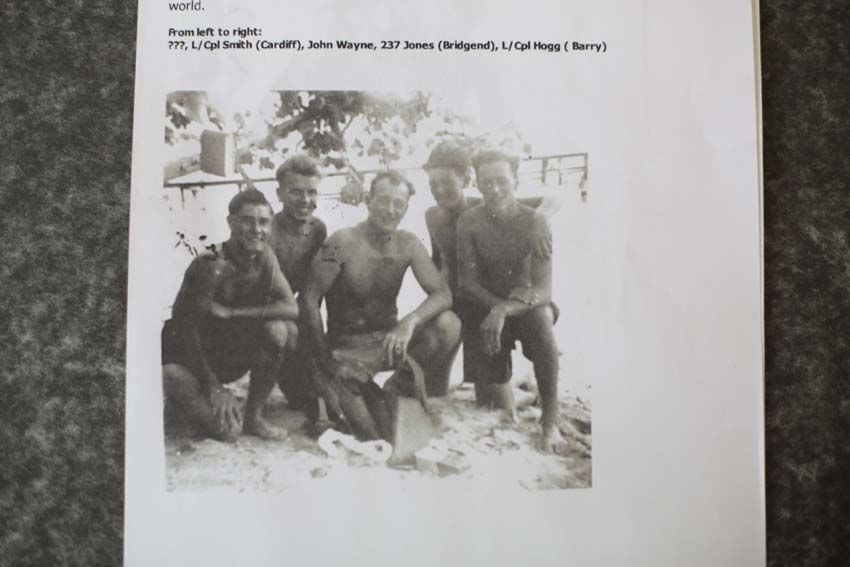
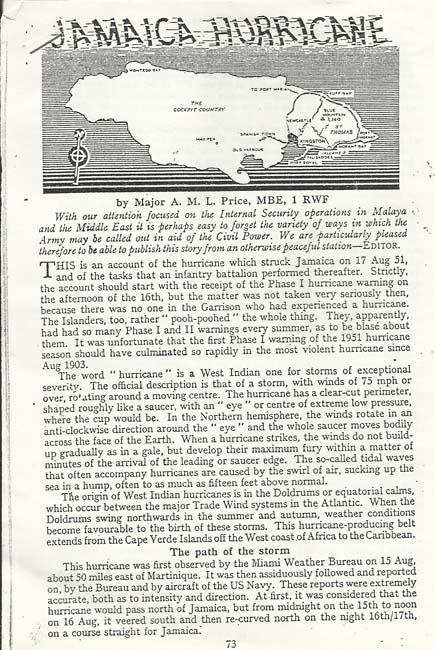
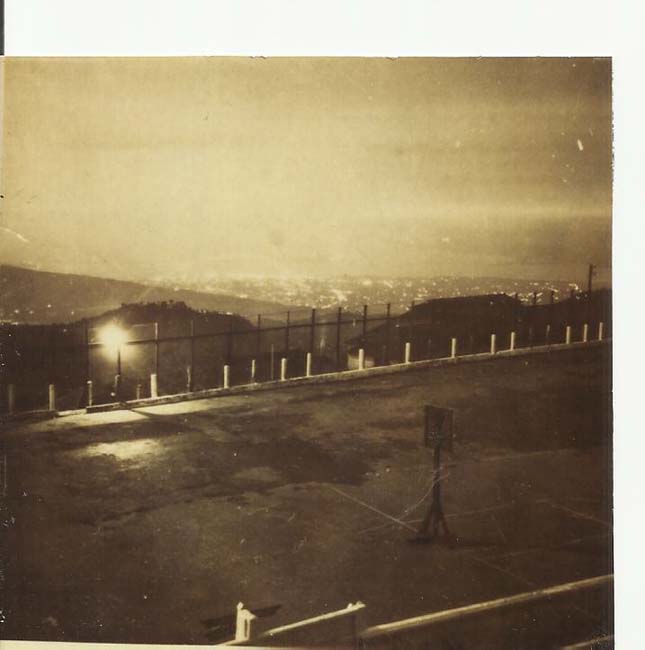
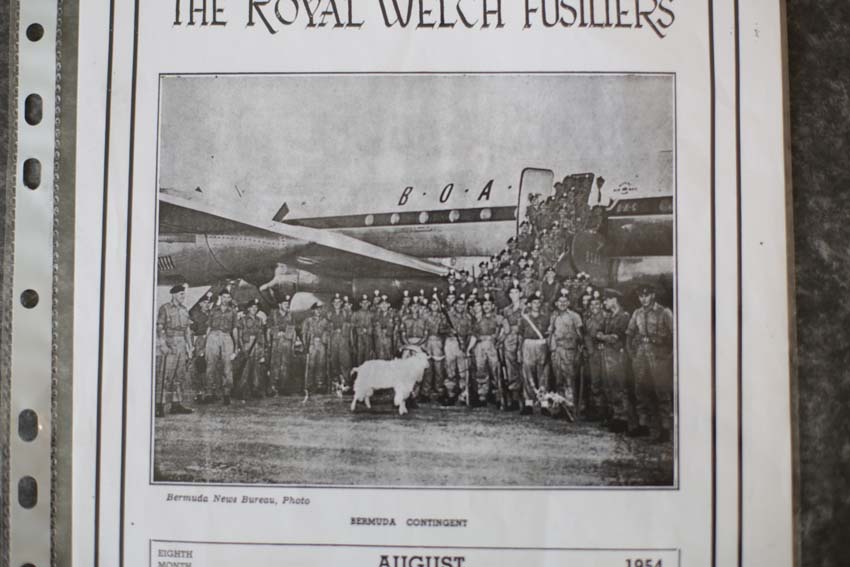
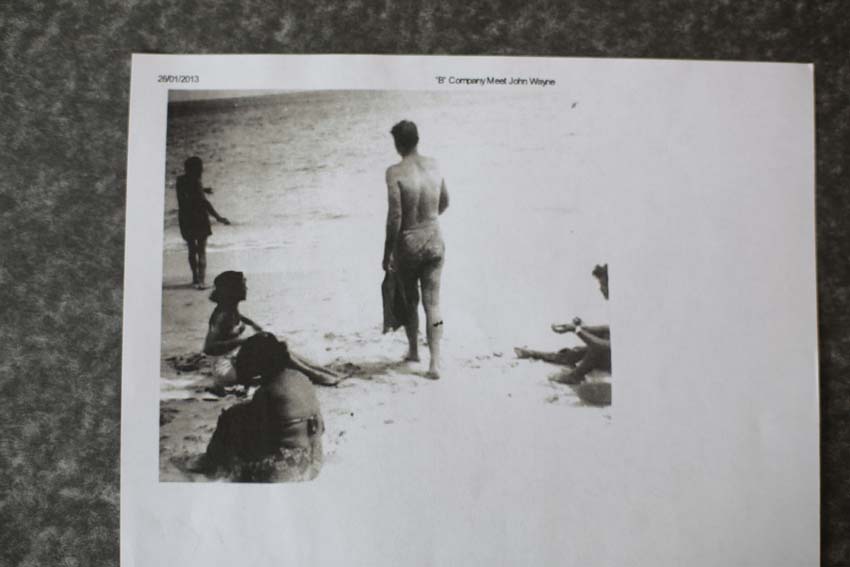
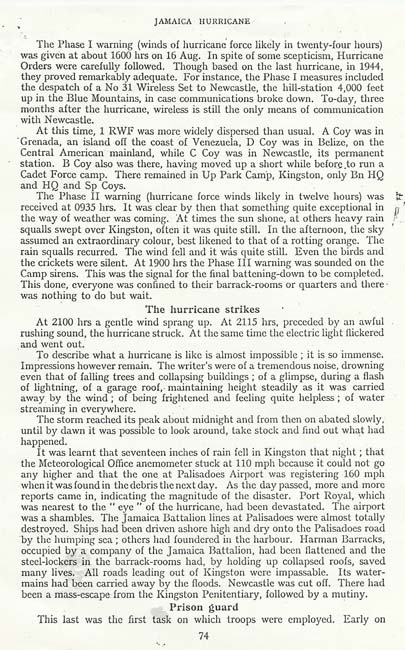
Richard Donovan’s military journey with the Royal Welch Regiment began in 1951, when he narrowly missed deployment to Korea and instead embarked on an adventure in the Caribbean. Stationed at Park Camp in Jamaica, Donovan enjoyed the sun-soaked island life, even encountering Hollywood legend John Wayne on a beach. However, his time there wasn’t all leisure; his regiment was tasked with internal security, facing challenges such as riots, a devastating hurricane, and disturbances in Grenada and British Guyana.

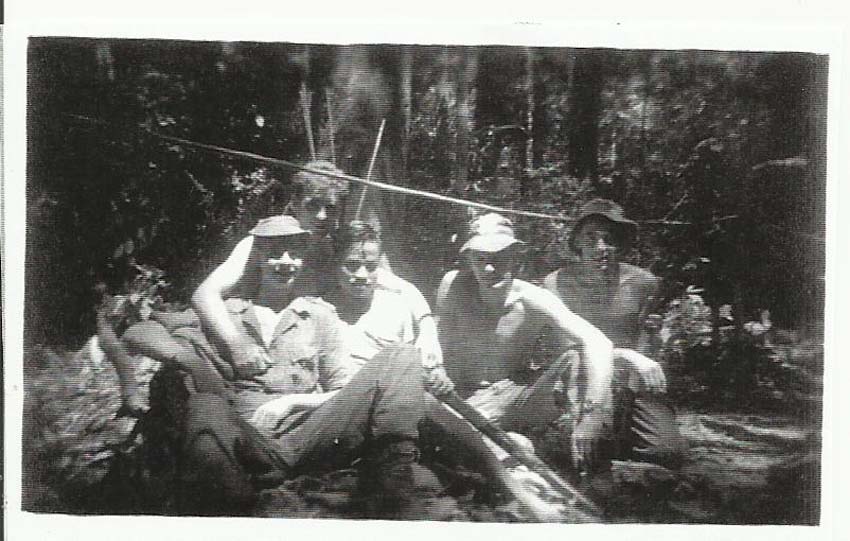
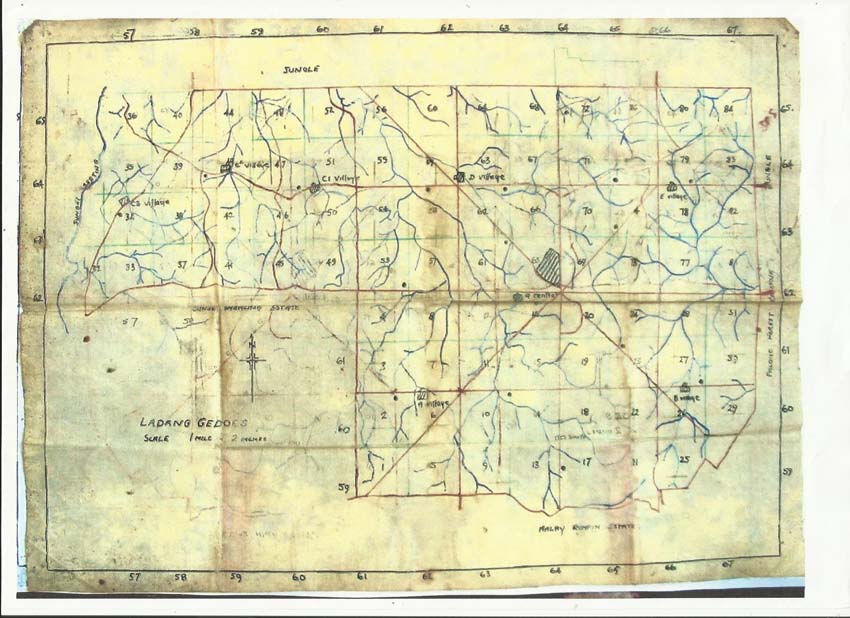
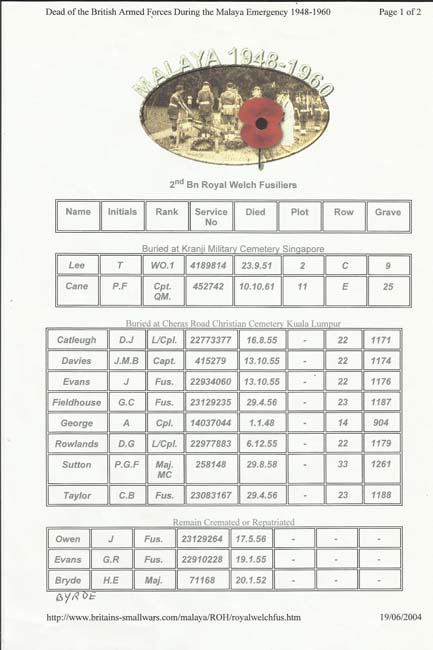
After serving as an instructor, Donovan was finally sent to Korea, but fate had other plans. Just as he arrived, a peace treaty was signed, and his battalion was rerouted to Malaya. Here, he engaged in the harsh realities of the Malayan Emergency, conducting dangerous jungle patrols with the Ghurkhas against the Malayan Races Liberation Army (MRLA). Donovan’s vivid accounts reveal the grueling tactics employed to weaken the MRLA, terrifying encounters with wildlife, and a near-trap sprung by two POWs.

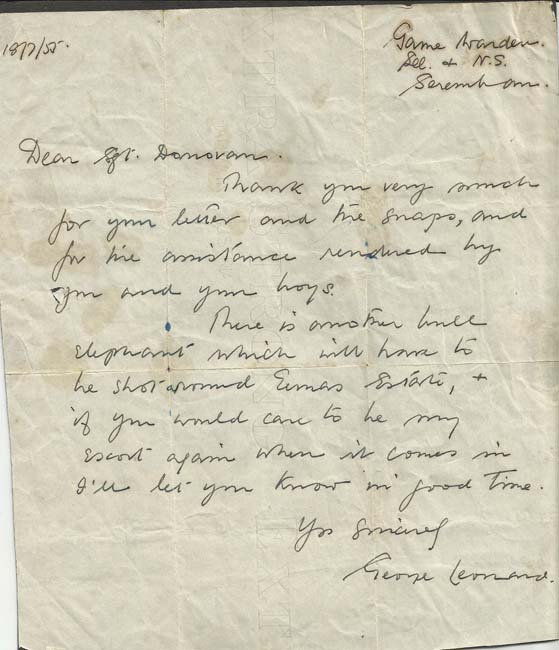
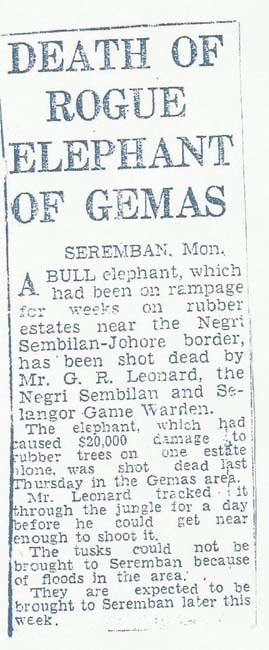
Leading a platoon through the dense jungle, Donovan’s experiences included tracking a rogue elephant and surviving friendly fire incidents. Reflecting on his service, his only regret was retiring too early. In later life, he became a dedicated historian of the Royal Welch Regiment.

Credits

Interviewed by:
Martin Bisiker
Reviewed by:
Lucy

Transcripts:
Please note that transcripts and closed captions in the video player are automatically generated by Vimeo.

Copyright:
All video content, web site design, graphics, images (including submitted content), text, the selection and arrangement thereof, underlying source code, software and all other material on this Web site are the copyright of Legasee Educational Trust, and its affiliates, or their content and technology providers. ALL RIGHTS RESERVED. Any use of materials on this Web site – including reproduction for purposes other than those noted above, modification, distribution, or republication – without the prior written permission of Legasee Educational Trust is strictly prohibited.

Home | Veterans | Richard Donovan

A veteran interview with

Richard Donovan

RichardDonovan

Check Richard’s photos…

Related topics & talking points

Keep on watching

More veteran stories...

Share this interview on:

https://www.legasee.org.uk/veteran/richard-donovan/

Cite this interview:

MLA Style:
Donovan, Richard. A Veteran Interview with Richard Donovan. Interview by Martin Bisiker. Legasee, n.d. https://www.legasee.org.uk/veteran/richard-donovan/. Accessed 17 Nov. 2025.
APA Style:
Donovan, R. (n.d.). A Veteran Interview with Richard Donovan [Interview by Martin Bisiker]. Legasee. Retrieved November 17, 2025, from https://www.legasee.org.uk/veteran/richard-donovan/
Chicago Style:
Donovan, Richard. n.d.. A Veteran Interview with Richard Donovan. Interview by Martin Bisiker. Legasee. Accessed November 17, 2025. https://www.legasee.org.uk/veteran/richard-donovan/
Harvard Style:
Donovan, R. (n.d.). A Veteran Interview with Richard Donovan. [Interviewed by Martin Bisiker]. Legasee. Available at https://www.legasee.org.uk/veteran/richard-donovan/ (Accessed: 17 November 2025)
Vancouver Style:
Donovan, R. A Veteran Interview with Richard Donovan [Internet]. Interview by M. Bisiker. Legasee; n.d. [cited 2025 Nov 17]. Available from: https://www.legasee.org.uk/veteran/richard-donovan/
An interview with

Rex Sheppard

From a parochial fisherman to the front line in Korea, Rex recounts his transformative experience of National Service

Rex shares his transformative experience of national service, going from a 'Jack the lad' fisherman in Ipswich, to Section Commander in Korea, all for a boy of 18 who had never left his home ground.

Rex describes traveling on The Windrush from Southampton to 'The Territories', 3 miles from Hiroshima to complete increasingly arduous military training run by Colonel Lonsdale designed to transform the men into “killing machines”.

From here the men were ½ a mile away from the Chinese military camps, where they could, on a clear day, see their enemy training to fight against them.

As soon as he turned 19, Rex was sent to Uijeongbu, to be quickly immersed in front line duty. He was soon to become a section commander, responsible for running patrols in the challenging landscape of paddy fields and mountains, at times coming within 150 yards of the North Korean and Chinese front line.

Rex recounts his experiences of living with Siberian winds, psychological warfare, 'Hill 335' and the brutality and carnage of fighting on 'The Hook', where death was only a whistle away. His story is one of resilience and comradeship.

Service:
Interviewed by:
Martin Bisiker
An interview with

Bert Crane

Bert Crane was a gunner/operator in 43rd (Wessex) Reconnaissance Regiment from January 1945 to the end of the war.

Bert Crane started work in a factory making military components at 14, but volunteered for the Reconnaissance Corps at 17 despite this being a reserved occupation. In 1944 he completed extensive and varied training for this specialist role, which he believes was comprehensive. In January 1945 he joined C Squadron 43rd (Wessex) Reconnaissance Regiment as a replacement gunner/operator in an armoured car, serving through to the end of hostilities. In an excellent account that blends operational details with personal reflection, he notes that his first instruction on joining his unit was to forget everything he had learned, which was good advice because on his first night patrol he returned fire without waiting for orders; however, when he saw the dead body next day, it caused a moment of reflection. On another occasion they spent 5 hours carefully covering 5 miles of forest, fearing contact, only to find the terrain had already been taken. He recalls the impact of taking casualties in a tight-knit unit in the last days of the war, and how a final task was cancelled. He believes he was lucky because the Germans were retreating by the time he joined, though he remembers being afraid and the risks they took.
Service:
Interviewed by:
Brig. C Elderton
An interview with

Tom Renouf

Black Watch infantryman who fought from 1st July to the end of the war, through France, Holland and Germany, winning a Military Medal on the Rhine crossing as a 19-yearold corporal.

Tom Renouf’s journey from infantry recruit to seasoned corporal with a Military Medal began with basic training and the preparations for deploying to France just after D-Day. On 30 June he joined his battalion as a casualty replacement, and went from boy to man during his baptism of fire at Rauray next day. Apart from a brief period recovering from a wound, he served continuously in the front line through France, Holland and the Rhine crossing to the final surrender in Germany. He focuses on some of the more personal aspects: how first battle experiences turned replacements into veterans, heavy casualties epitomised by the small number of soldiers who mustered next day, the different ways each man coped with danger. He recalls, during his first action in command, how he had to lead his section from the front to earn their respect. A recurrent theme is how the corporals, sergeants and sergeant major led from the front in battle and ensured the men’s welfare throughout the campaign.
Service:
Interviewed by:
Martin Bisiker