Home | Veterans | George Reynolds
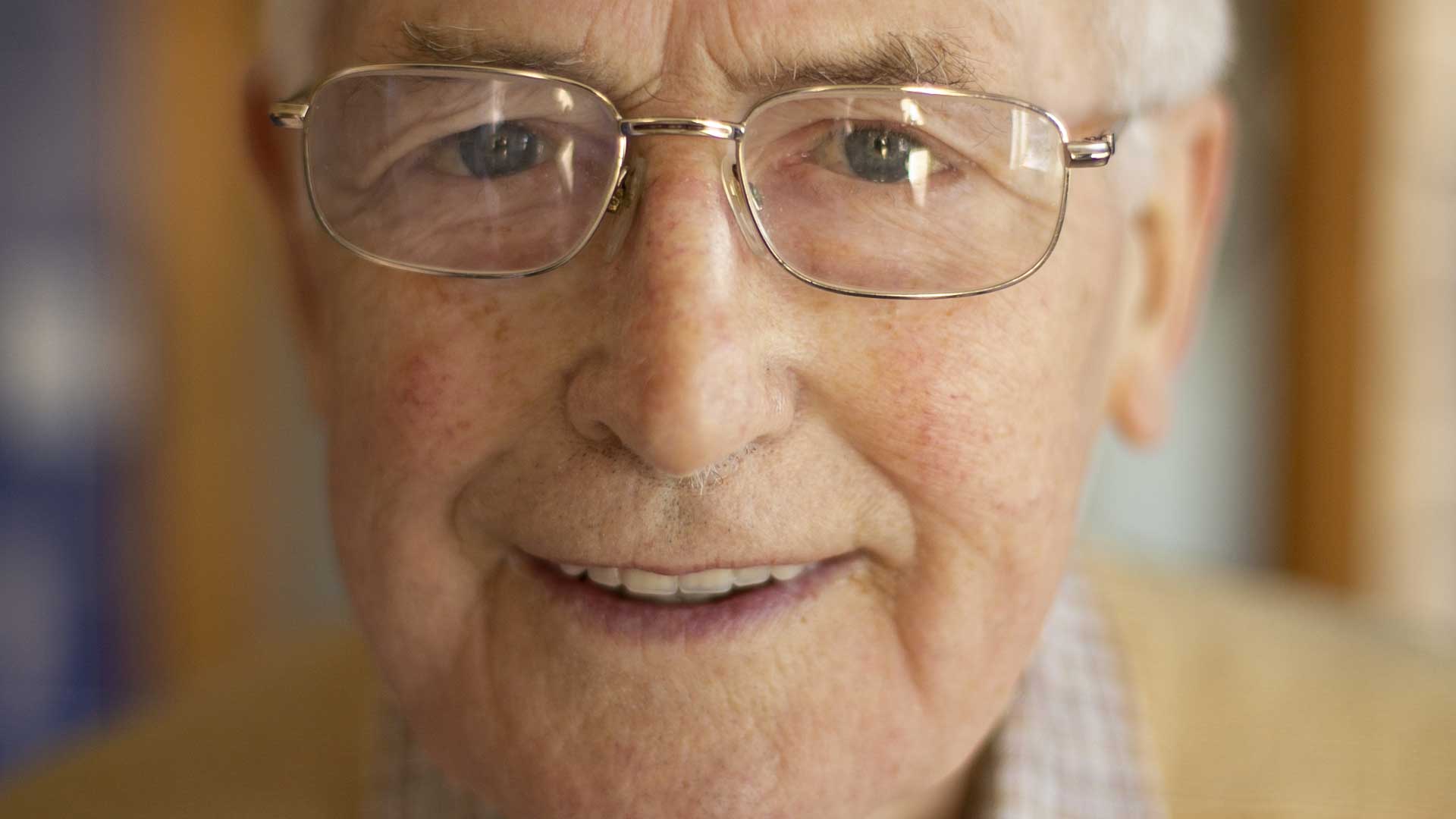
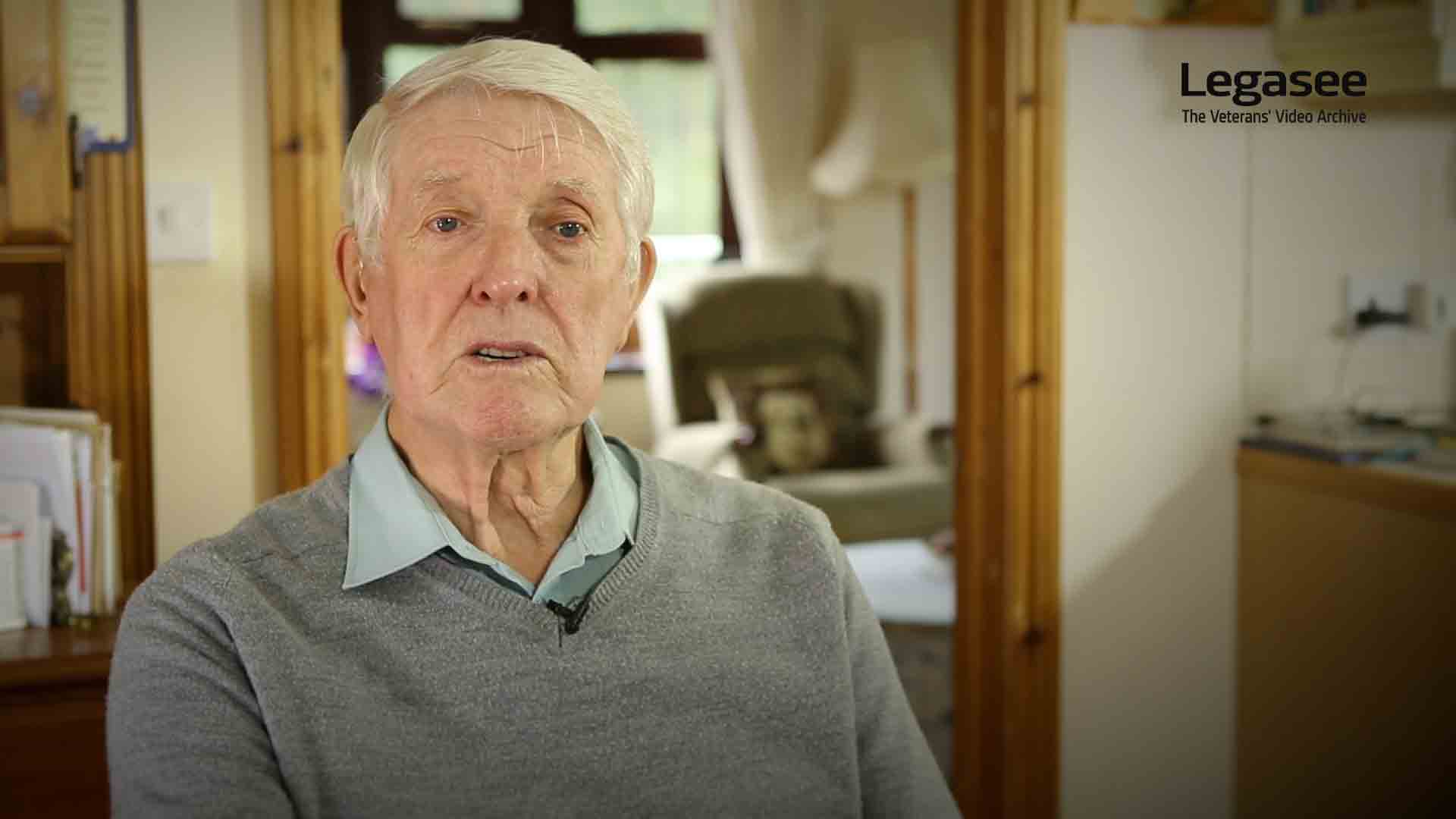
George Reynolds laughing

A veteran interview with

George Reynolds

George Reynolds was captured during the fall of Singapore and sent to work in the copper mines at Kinkaseki in Taiwan.

Play video
Watch the interview

About George Reynolds

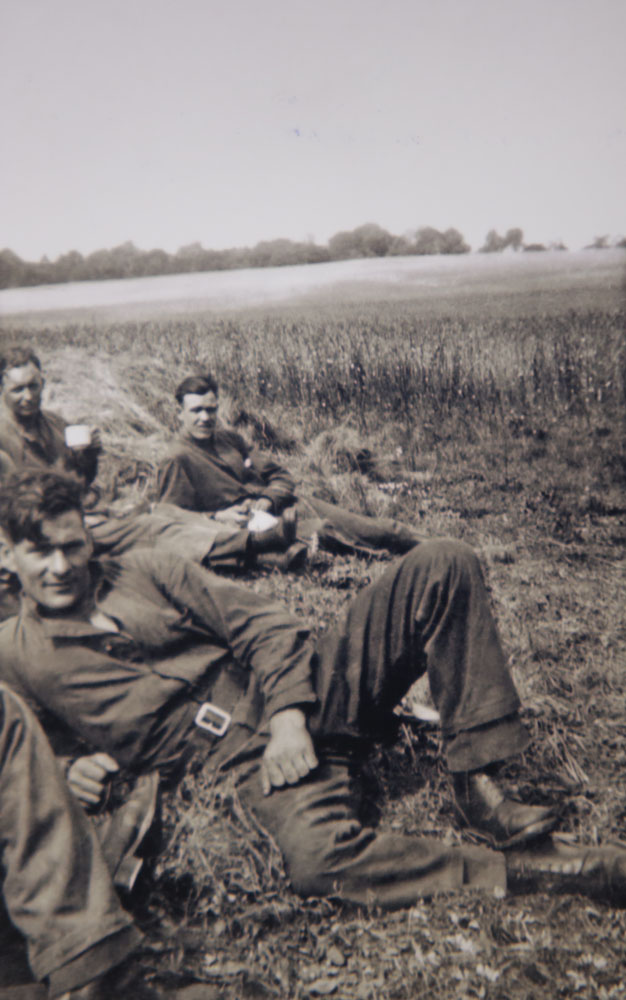
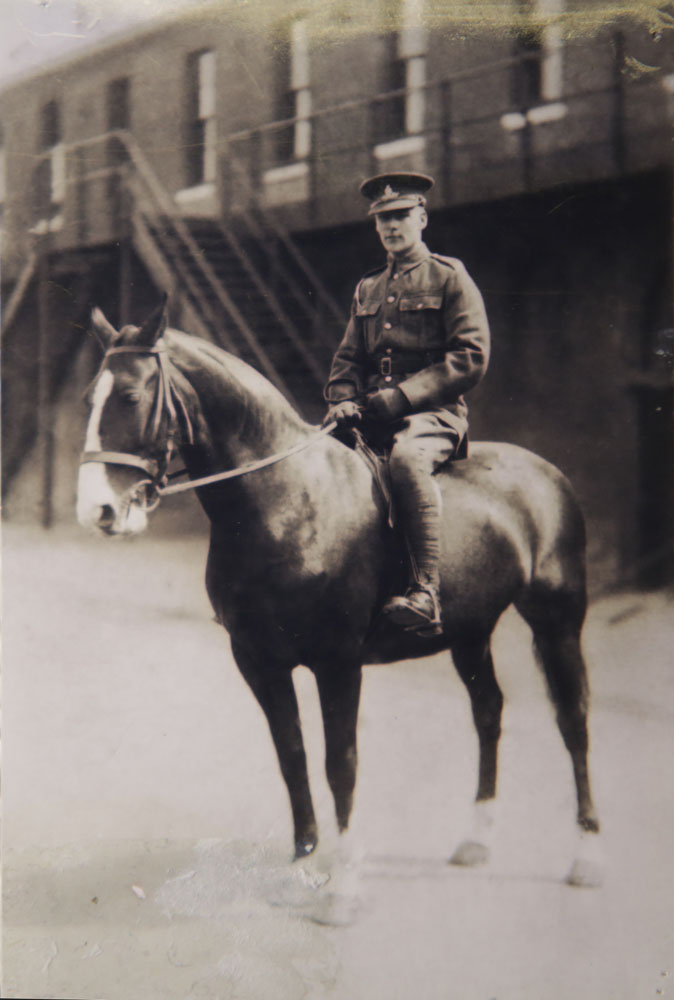
George Reynolds tells the story of his military career, where each memory is as engrossing as the next. Following in his father’s footsteps, George enlisted in the army in 1937. Not long after, in 1939, he was off to India, where he had become both a stand out signaller and a skilled equestrian.  

By 1941, his regiment found themselves embroiled in battle against the invading Japanese army. Troubling times followed; the Japanese succeeded in their occupation, George among the 80,000 taken as POW.  

He was first put to work in a Singapore prison, where he detailed his starved but tanned condition, a result of outdoor work. After being shipped off to Taiwan in 1942, George recalls his torturous experience in a copper mine, where he faced the threat of beatings, malnutrition, and sickly skin, all at a level he had never seen before. 

I’m sure you’ve gone through a roller coaster of emotions engaging with George’s story, but he closes on a powerful note. Following his liberation by the American Navy in 1945, George was plunged into a moral dilemma – how was he supposed to feel about the people who had hurt him?  

To hate them, he says, was akin to a “cancer eating away at him”. At once, there and then, he decided to “forgive but not forget”. This ultimately underlines the hardiness and determination of a soldier, who, after seven long years away from home, was favoured to live to tell the tale. 

Credits

Interviewed by:
Martin Bisiker

Transcripts:
Please note that transcripts and closed captions in the video player are automatically generated by Vimeo.

Copyright:
All video content, web site design, graphics, images (including submitted content), text, the selection and arrangement thereof, underlying source code, software and all other material on this Web site are the copyright of Legasee Educational Trust, and its affiliates, or their content and technology providers. ALL RIGHTS RESERVED. Any use of materials on this Web site – including reproduction for purposes other than those noted above, modification, distribution, or republication – without the prior written permission of Legasee Educational Trust is strictly prohibited.

Home | Veterans | George Reynolds

A veteran interview with

George Reynolds

George Reynolds laughing

George Reynolds was captured during the fall of Singapore and sent to work in the copper mines at Kinkaseki in Taiwan.
Related topics & talking points

Veteran gallery

Photos & memories

Keep on watching

More veteran stories...

Share this interview on:

https://www.legasee.org.uk/veteran/george-reynolds/

Cite this interview:

MLA Style:
Reynolds, George. A Veteran Interview with George Reynolds. Interview by Martin Bisiker. Legasee, 27 Jan. 2013 https://www.legasee.org.uk/veteran/george-reynolds/. Accessed 18 Nov. 2025.
APA Style:
Reynolds, G. (2013, January 27). A Veteran Interview with George Reynolds [Interview by Martin Bisiker]. Legasee. Retrieved November 18, 2025, from https://www.legasee.org.uk/veteran/george-reynolds/
Chicago Style:
Reynolds, George. 2013. A Veteran Interview with George Reynolds. Interview by Martin Bisiker. Legasee, January 27. Accessed November 18, 2025. https://www.legasee.org.uk/veteran/george-reynolds/
Harvard Style:
Reynolds, G. (2013). A Veteran Interview with George Reynolds. [Interviewed by Martin Bisiker]. Legasee, 27 January. Available at https://www.legasee.org.uk/veteran/george-reynolds/ (Accessed: 18 November 2025)
Vancouver Style:
Reynolds, G. A Veteran Interview with George Reynolds [Internet]. Interview by M. Bisiker. Legasee; 2013 Jan 27 [cited 2025 Nov 18]. Available from: https://www.legasee.org.uk/veteran/george-reynolds/
An interview with

Tom Cromie

A WW2 Royal Artillery veteran, who rode motorcycles into the Allied Invasion of Sicily and D-Day.

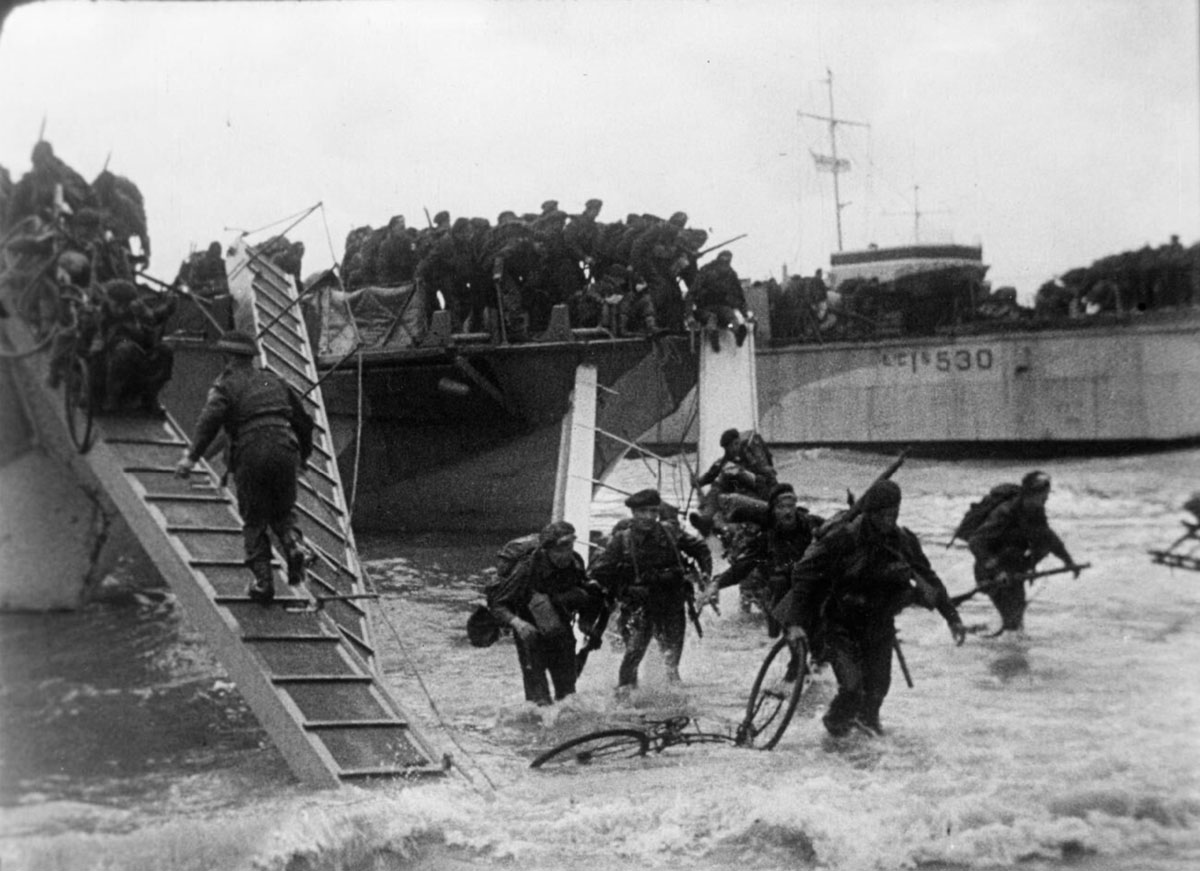
Tom Cromie’s free spirit sparked initial ambitions to be an RAF fighter pilot, but so did every other nineteen year old, so instead he joined the Royal Artillery as a soldier of the 231 Mortar Brigade. His story starts with the invasion of Sicily as a dispatch rider and Tom shares fond memories of practicing trick cycling on his motorcycle in quiet lulls. But his part in Sicily was cut short when a Bren Gun Carrier reversed over his leg, breaking it and sending him back home to England, not before, however, a remarkable moment in which he shared a cigarette with a terrified German who lay in the bed next to him in hospital. Tom then shares his memories of the D-Day landings as a field gunner, and recounts his lucky escape from almost drowning off of Green Beach. Another injury ends his part in the Normandy invasion and unable to return to his brigade, he eventually volunteered to be sent out to the Far East, ending up in India. Tom’s story is one full of character and gives glimpses of lightheartedness and humour into the terror of WW2 invasions.
Service:
Interviewed by:
Brig. C Elderton
An interview with

Ken Jones

Ken Jones demonstrated technical prowess as a tank engineer while serving with the Royal Electrical and Mechanical Engineers in the Korean War.

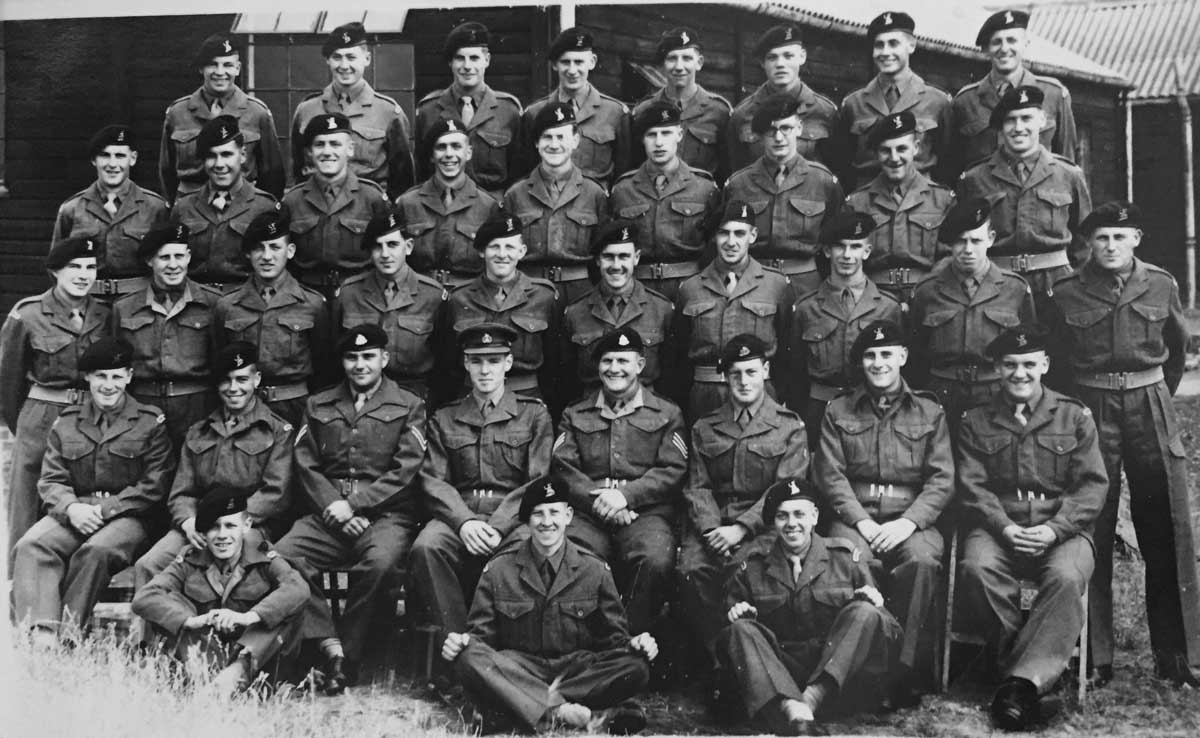
Ken Jones provides a thorough account of his service as an Artificer Sergeant and tank engineer for the Royal Electrical and Mechanical Engineers (REME) during the Korean War. Fours years after being in the Army Cadet force, he began his military career at the early age of seventeen and three quarters. It was his ambition to join the REME as an engineer and after six weeks training with the South Wales Borderers, he would make the transition. Some time after serving in Germany during the aftermath of the war, he was summoned to Hanover where a Sergeant told him that he was going to Korea with the A Platoon. Arriving in Korea, Ken was assigned to Tac HQ ( 2 miles behind the front line) where he was placed in charge of tank repairs and preserving them in preparation for battle in no man's land. Based near the reservoir, the tanks would move across various hills into their battle positions. He shares memories of narrowly avoiding destruction from six mortars while crossing a ridge to Korean troops who would remain elusive by hiding inside a camouflaged cave, only travelling at night to deliver supplies before scrambling back to the sanctity of the cave. He also reveals the cruelty inflicted by some of their own men towards local Koreans who resisted them. In Korea, the terrain was just as much an enemy as the north Korean forces, proven when Ken describes a near miss involving a tank which ran out of control down a hill, crushing everything in its path. Tanks themselves could be death traps and this was no more apparent when operating a Churchill from WWII, Ken believing that anyone who managed to survive in such a machine should have been awarded a medal. He details the effectiveness of tanks and how despite their versatility, they were perhaps less mobile and more static during times of war than younger generations may believe. Ken's interview captures the intricacies of tank warfare and the contributions of the engineers who ensured their efficacy during the Korean War.  
Service: