Home | Veterans | Dennis Dymond
Dennis-Dymond

A veteran interview with

Dennis Dymond

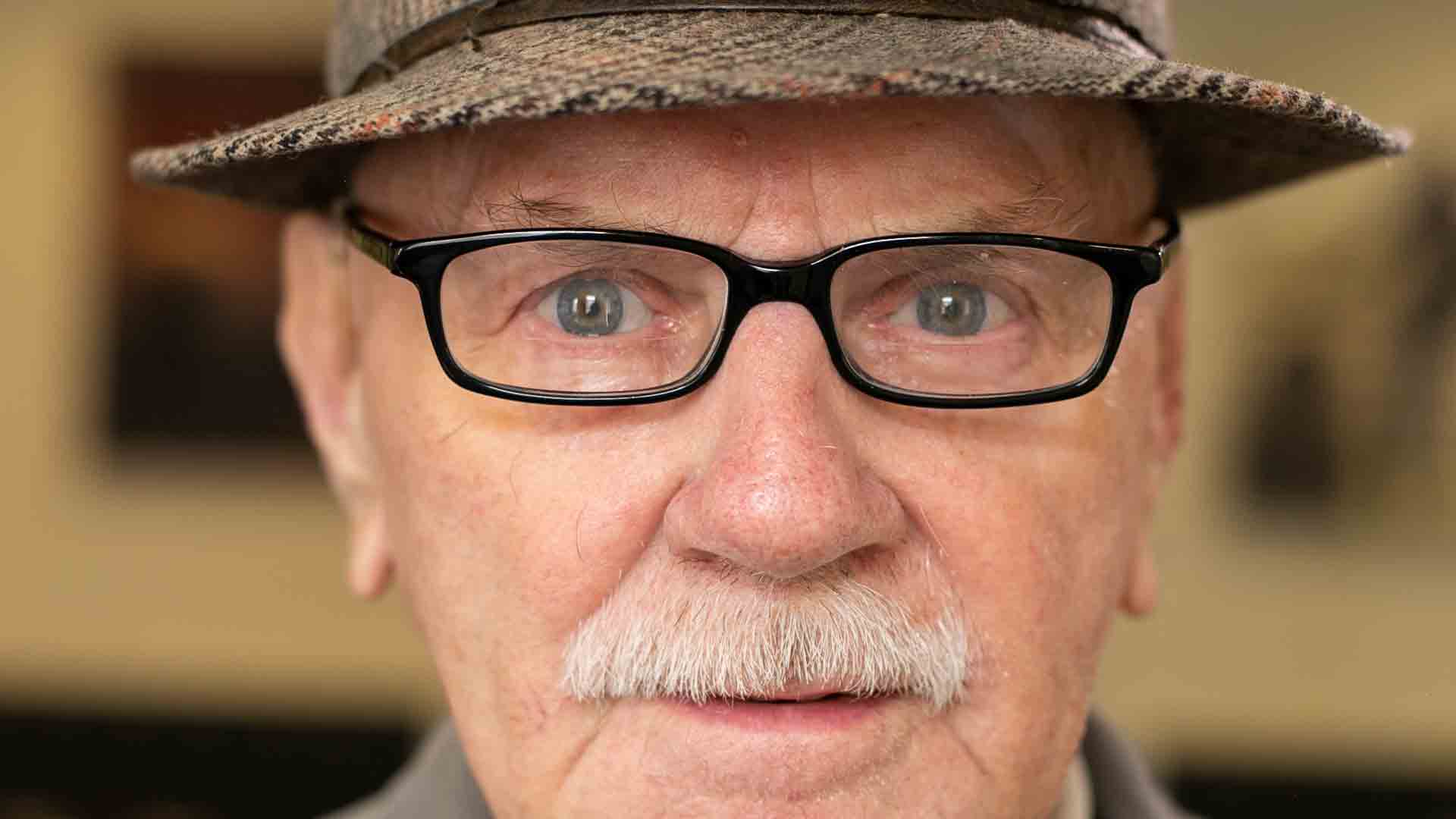
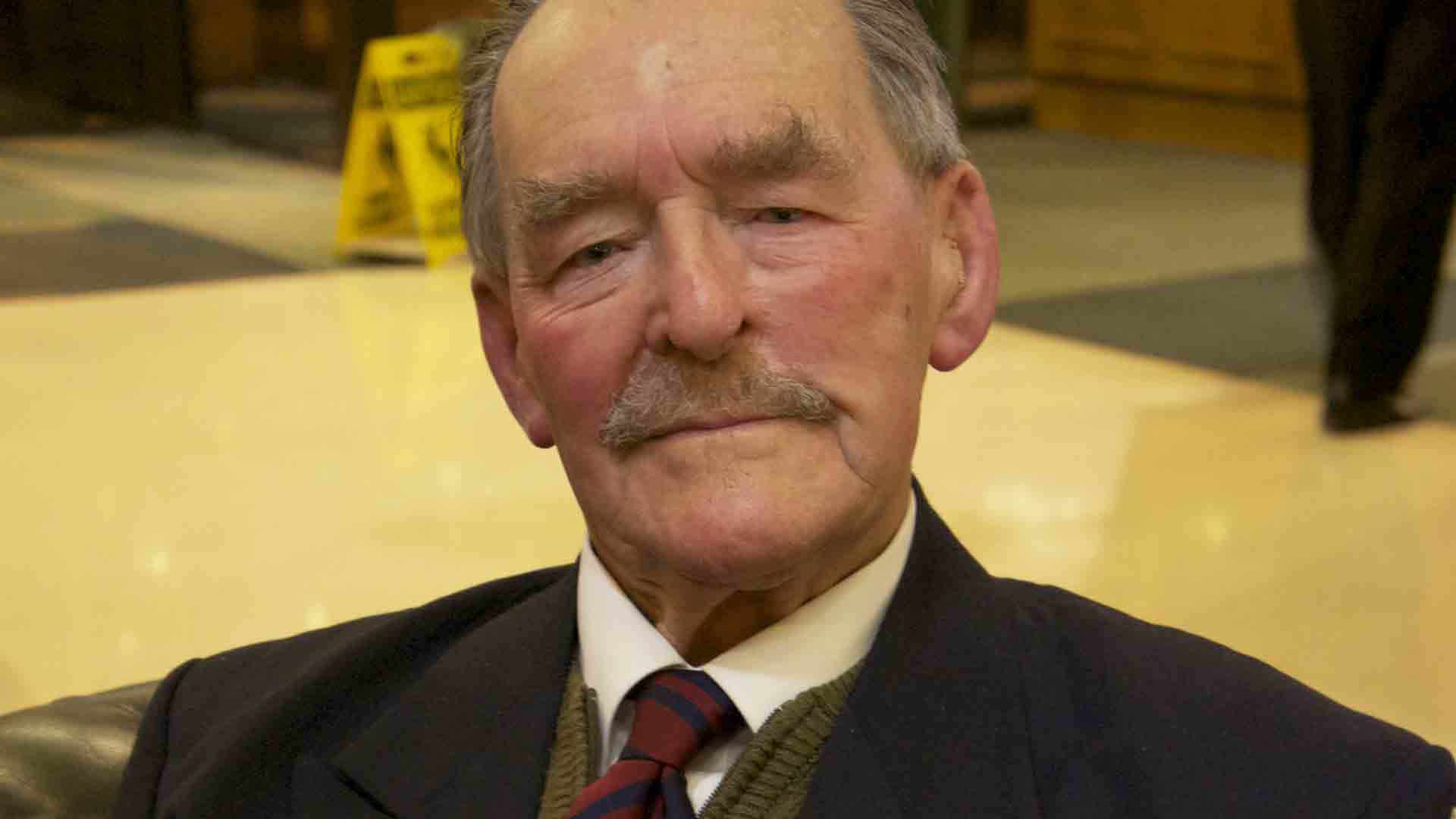
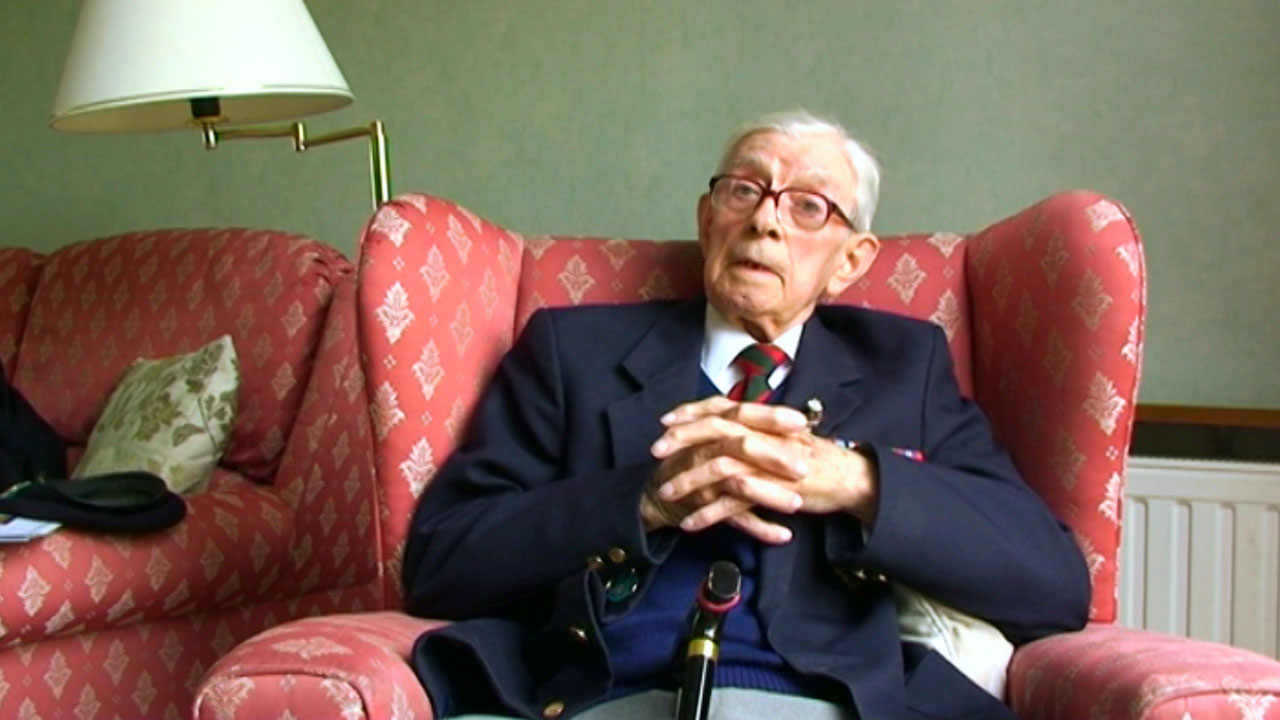
Dennis Dymond demobbed from the armed forces in 1956 in the rank of Lieutenant. His last appointment was with 27 Infantry Brigade

Play video
Watch the interview

About Dennis Dymond

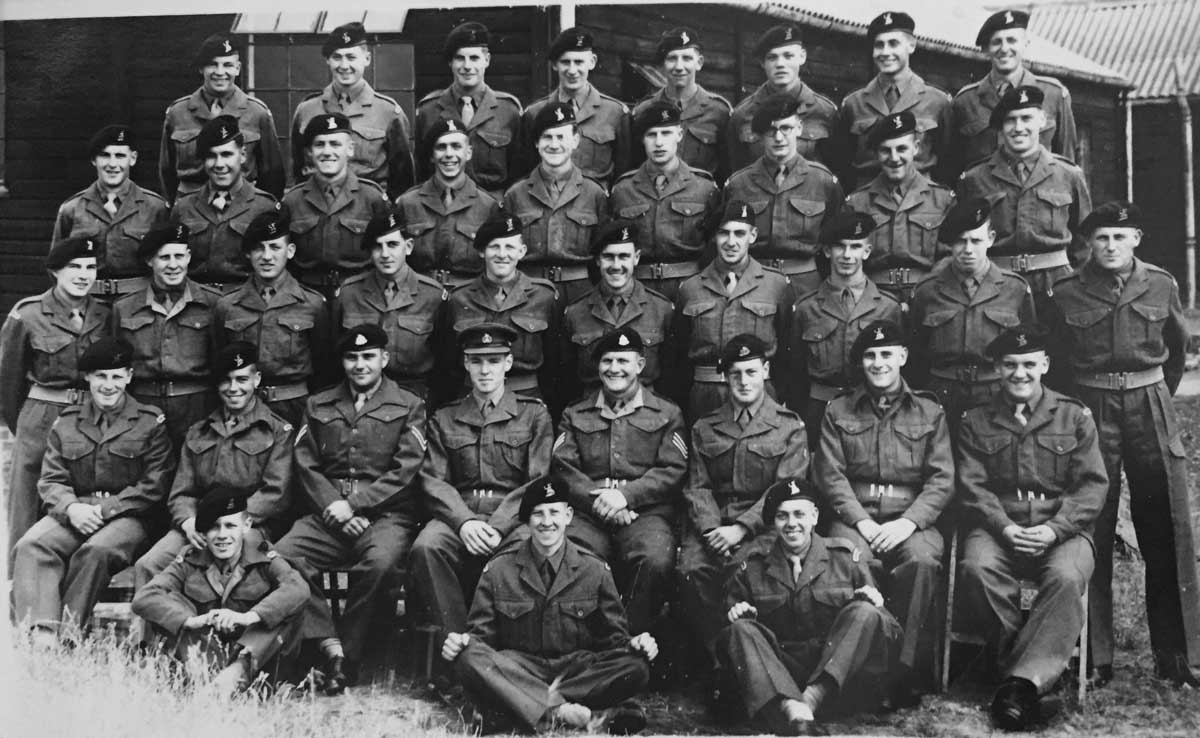
Having experienced the loss of his parents at a young age, Dennis explains how this tragedy was in fact the making of him and led him to joining the national service with the support of his extended family. In 1952 Dennis Dymond joined the Royal Fusiliers at the Tower of London, and recalls how he thoroughly enjoyed his time there.

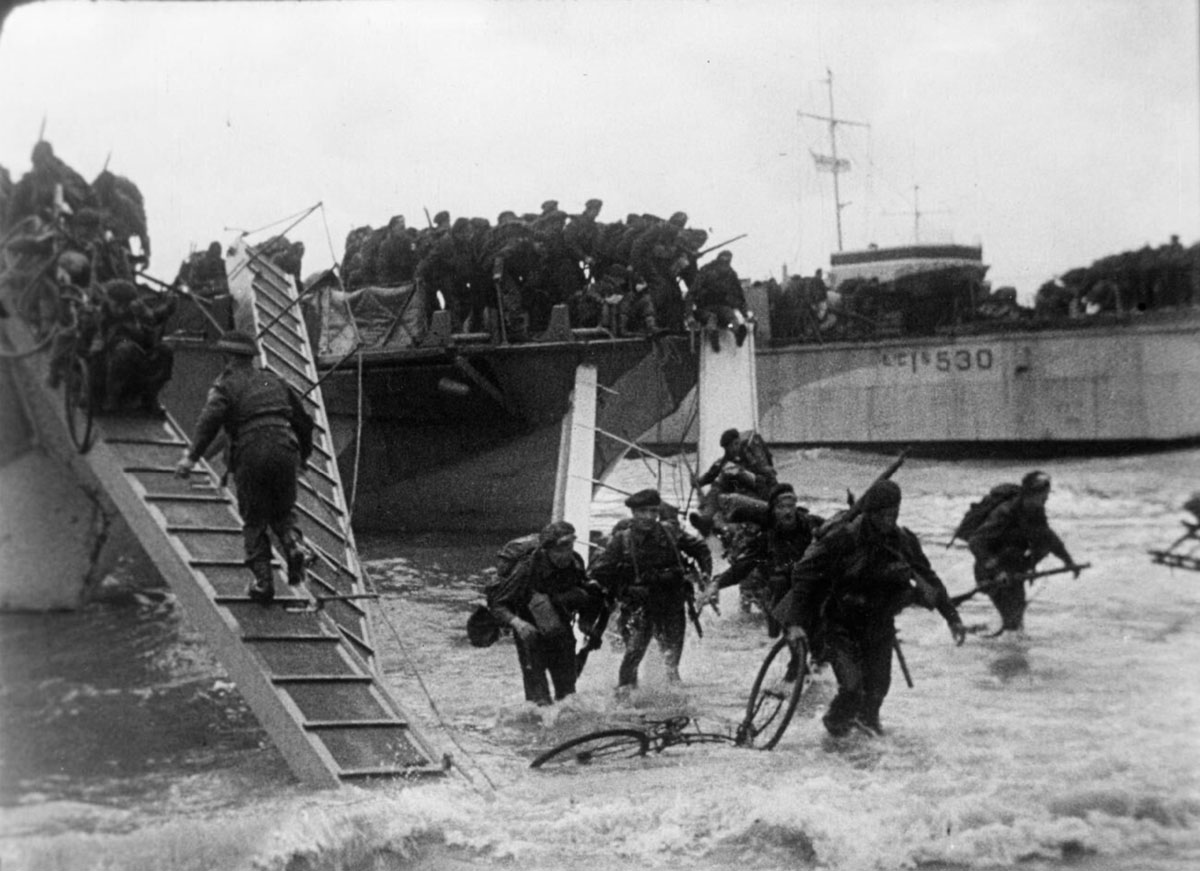
When Dennis first joined the Royal Fusiliers he was not aware that he would be sent to Korea, and a year later he embarked on his journey to the far East. Remembering the war, Dennis reveals he could never fire a rifle but enjoyed working with a mortar when in battle. He humorously discloses that his only fears during the war were explosives, mines and worst of all, snakes.

In reflecting on Korea, Dennis discusses the brutality of warfare and, although he hadn’t been on the front line, the awful conditions and violence enveloped in the Korean war. His lasting memories are of watching small children fleeing from war-torn towns and the refugees who begged for rations among the soldiers. Dennis’s interview provides an insightful and emotional account of his early life, time spent in Korea and his ever-lasting memories of battle.

Credits

Interviewed by:
Martin Bisiker
Reviewed by:
Evie Painter

Transcripts:
Please note that transcripts and closed captions in the video player are automatically generated by Vimeo.

Copyright:
All video content, web site design, graphics, images (including submitted content), text, the selection and arrangement thereof, underlying source code, software and all other material on this Web site are the copyright of Legasee Educational Trust, and its affiliates, or their content and technology providers. ALL RIGHTS RESERVED. Any use of materials on this Web site – including reproduction for purposes other than those noted above, modification, distribution, or republication – without the prior written permission of Legasee Educational Trust is strictly prohibited.

Home | Veterans | Dennis Dymond

A veteran interview with

Dennis Dymond

Dennis-Dymond

Dennis Dymond demobbed from the armed forces in 1956 in the rank of Lieutenant. His last appointment was with 27 Infantry Brigade
Related topics & talking points

Keep on watching

More veteran stories...

Share this interview on:

https://www.legasee.org.uk/veteran/dennis-dymond/

Cite this interview:

MLA Style:
Dymond, Dennis. A Veteran Interview with Dennis Dymond. Interview by Martin Bisiker. Legasee, n.d. https://www.legasee.org.uk/veteran/dennis-dymond/. Accessed 8 Mar. 2026.
APA Style:
Dymond, D. (n.d.). A Veteran Interview with Dennis Dymond [Interview by Martin Bisiker]. Legasee. Retrieved March 8, 2026, from https://www.legasee.org.uk/veteran/dennis-dymond/
Chicago Style:
Dymond, Dennis. n.d.. A Veteran Interview with Dennis Dymond. Interview by Martin Bisiker. Legasee. Accessed March 8, 2026. https://www.legasee.org.uk/veteran/dennis-dymond/
Harvard Style:
Dymond, D. (n.d.). A Veteran Interview with Dennis Dymond. [Interviewed by Martin Bisiker]. Legasee. Available at https://www.legasee.org.uk/veteran/dennis-dymond/ (Accessed: 8 March 2026)
Vancouver Style:
Dymond, D. A Veteran Interview with Dennis Dymond [Internet]. Interview by M. Bisiker. Legasee; n.d. [cited 2026 Mar 8]. Available from: https://www.legasee.org.uk/veteran/dennis-dymond/
Interview with Nigel Caldicott
An interview with

Nigel Caldicott

From boy soldier to tank commander: the outstanding 34-year military career of one man throughout the 60s, 70s, 80s and 90s.

Nigel Caldicott joined the Royal Engineers as a boy soldier in 1966, spending two years training in Dover before being stationed at Bovingdon where his passion for tanks began. Nigel shares fascinating memories of his service, including time spent in Germany during the Cold War, reflecting on preparations for the very real danger posed by NBC (nuclear, biological, chemical) warfare. He goes on to talk about his various military roles during the Troubles in Northern Ireland when the use of AVREs (Armoured Vehicle Royal Engineers) became increasingly important, and he details the hard work the REME (Royal Electrical and Mechanical Engineers) put into getting the tanks into top condition and the maintenance required to keep them fit for service. Nigel served a total of 34 years in the Army and the Territorial Army, receiving a warrant from The Queen and taking great pride in his service throughout his career. The stories he shares here of his remarkable service are certain to be of great interest to military enthusiasts for many years to come.
Service:
Interviewed by:
Martin Bisiker
An interview with

Vikki Foley

Vikki candidly opens up about her husband’s tours of Afghanistan and the toll they took on his mental health and their marriage.

Content warning// This interview contains discussions of sensitive topics such as PTSD which some viewers may find distressing. If you are affected by these topics, please consider seeking support from a trusted person or organisation. Vikki and Chris were teenagers when they met and enjoyed a fun, loving relationship. Sadly, this changed when Chris was posted to Afghanistan. Chris’ battalion were hit badly and suffered a lot of casualties, including the death of Chris’ friend, which caused Chris to become very angry. He wanted to stay and fight rather than return home. It was a confusing and isolating time for Vikki, she didn’t know how to help Chris or have anyone to talk to. When Chris returned, Vikki noticed that he was very jumpy as well as angry and drinking a lot more. Chris’ anger escalated so much that Vikki insisted he seek help. Chris was set on a path of PTSD treatment but appointments and treatment were sporadic. He then passed all checks and was cleared for a second tour of Afghanistan. Vikki was incredibly worried about Chris but the big difference for her this time was that they were now living in married quarters so she had other wives and friends around to draw support from. When Chris returns, this time his change in behaviour is so noticeable that he is downgraded to lighter duties at work which made him angrier still. Vikki wishes that she had spoken up more and demanded help for Chris but is incredibly grateful that the birth of their son did mark a positive change in Chris’ behaviour. Chris’ discharge in 2015 was a stressful period when the family suddenly had to find somewhere to live. Thankfully they found a home through a veteran’s housing association which was a massive benefit to both as it meant they were surrounded by neighbours who could relate to their situation. Vikki also thinks being in the NHS system of treatment worked better for Chris as he could open up more rather than feeling he was letting the military down. Vikki also joined Band of Sisters where she values the support and does her best to support others too. She also wrote a poem which was chosen to be turned into a song for the Invictus Games. Vikki acknowledges there were some very dark days and is sad to think of all the ex-military personnel, and their families, left to struggle with their demons. For a long time she felt there was no one else like her but through opening up she has found incredible support and sisterhood and wants others to know they are not alone.
Service:
Project:
Interviewed by:
Martin Bisiker